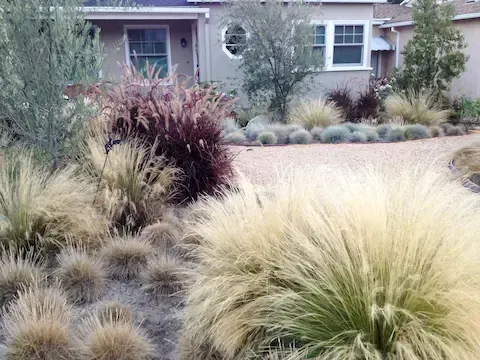
Summer Desert Landscaping Care in Sunrise Manor NV
Sunrise Manor summers are unforgiving. When temperatures climb past 110 degrees and the sun sits high over the valley from June through September, your yard either thrives or falls apart depending on how well you prepared and how consistently you respond. Summer desert landscaping in Sunrise Manor NV is not passive. It requires deliberate choices about water timing, soil protection, and knowing when to act and when to leave your plants alone.
What Summer Actually Does to Desert Landscapes
Many homeowners assume that desert plants can take care of themselves through the hottest months. That assumption costs yards every year. Even the most heat-tolerant plants in the Mojave have limits, and Sunrise Manor sits in a microclimate that intensifies valley heat through reflected radiation off paved surfaces and block walls. Soil temperatures at the surface can exceed air temperature by 30 degrees or more on a full-sun afternoon, which creates a hostile root environment even for native species adapted to harsh conditions.
The primary threats during Mojave summer months are heat stress, moisture evaporation, compacted soil from foot traffic and monsoon impact, and root burn from overhead watering during peak sun hours. Understanding these threats helps you prioritize what to fix and when.
Watering Strategy When Heat Peaks
Timing is everything. If you water during midday in Sunrise Manor, you lose a significant percentage of that water to evaporation before it reaches the root zone, and any water sitting on foliage during peak sun can magnify heat and cause burn damage. Early morning watering, ideally between 4 and 7 AM, gives moisture time to penetrate before temperatures rise. Evening watering works as a secondary option but can encourage fungal issues if foliage stays wet overnight.
Drip irrigation is the correct system for summer desert landscaping. Overhead sprinklers waste water and create uneven coverage that favors weeds over established plants. If your drip system has not been audited recently, summer is the season where emitter failures go from minor inconveniences to plant losses quickly. Walk your zones once a week and look for wet spots that indicate broken emitters and dry spots that indicate blockages.
Established desert trees like palo verde and desert willow need deep, infrequent watering during summer rather than daily surface moisture. Deep watering once every 10 to 14 days encourages root systems to extend downward, which increases plant stability and long-term drought tolerance. Young transplants need more frequent attention, but transplanting should be avoided during the 115-degree stretch entirely.
Mulch Is Not Optional During Mojave Summers
If there is one practice that separates a yard that survives Sunrise Manor summers from one that struggles, it is aggressive mulching. A 3-inch layer of decomposed granite or organic mulch around plant bases insulates soil, reduces surface temperature dramatically, slows evaporation, and suppresses weeds that compete for moisture. Organic mulch offers the added benefit of breaking down slowly and improving soil structure in the rocky caliche-heavy ground that is common throughout the area.
Reapply mulch at the start of summer before the worst heat arrives. By August, thin spots around high-traffic areas and along drip emitter paths will be obvious, and those spots deserve attention before the late summer monsoon season stirs things up further. For Desert Landscaping that holds up through the full season, consistent mulch coverage is one of the highest-return investments you can make.
What Not to Do in Peak Summer Heat
Summer enthusiasm can lead to mistakes that set your landscape back months. Avoid these common errors during the hottest stretch of the year in Sunrise Manor.
Do not prune aggressively. Heavy pruning in July and August removes the foliage that shades root systems and trunk tissue. Wait until late September or October for any significant trimming.
Do not fertilize. Fertilizer pushes new growth, and new growth in extreme heat is fragile and water-demanding. Hold fertilization until fall.
Do not install new plants. Transplant shock combined with 115-degree temperatures is a death sentence for most species. New plantings should wait until late September at the earliest.
Do not let weeds go unchecked. Summer monsoon rains bring weed explosions, and established weeds compete directly with your ornamentals for limited moisture. Pull or spot-treat early before root systems deepen.
Monsoon Season Adjustments
Sunrise Manor typically sees monsoon activity from mid-July through early September. These storms can drop significant rainfall in short windows, which sounds like relief but creates its own set of problems. Flash flooding erodes mulch beds, washes decomposed granite off slopes, and can oversaturate soil around plants not accustomed to sudden moisture increases.
After monsoon events, inspect your drip system to make sure emitters have not been displaced, check that runoff from hardscaped areas is not pooling around tree bases, and remove any debris that is blocking drainage paths. If you have slopes with loose gravel or DG, installing landscape edging or berm structures before monsoon season helps hold materials in place.
Adjust your irrigation schedule after significant rain events. Running your drip system on its normal schedule following a meaningful storm wastes water and can lead to root rot in plants sensitive to oversaturation. Most modern irrigation controllers allow rain delay features, and using them is worth the setup time.
Plant Health Checks Through August
Walk your entire yard once every two weeks with a critical eye. Look for yellowing leaves on established plants, which can indicate either overwatering or iron deficiency common in Sunrise Manor's alkaline soils. Look for sunscald on the south and west-facing bark of young trees, which appears as white or bleached areas. Wrapping vulnerable trunks with tree wrap before summer helps, but if damage has already occurred, focus on keeping the plant watered and avoiding further stress.
Cacti and succulents generally need the least intervention but benefit from having debris cleared from around their base. Decaying organic matter at the base of cacti traps moisture and invites rot. For more on native plant picks that are built to handle Sunrise Manor conditions, understanding your soil type matters as much as your watering habits.
Looking Ahead to Fall
Everything you do in summer sets the stage for a fall planting and renovation season that is far more forgiving. Yards that have been properly watered, mulched, and protected through the heat emerge in October ready to support new growth, transplants, and improvements. Yards that were neglected during summer often need soil recovery and replacement work before anything productive can happen in the cooler months. The work you put in now during the hardest season pays dividends when the Mojave finally cools off.
