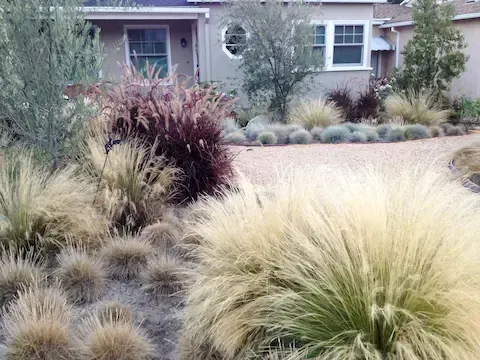
Caliche Soil Desert Landscaping in Sunrise Manor NV
Caliche soil presents unique challenges for homeowners in Sunrise Manor who want beautiful desert landscaping. This hardpan layer, common throughout Southern Nevada, forms an impermeable crust that blocks water infiltration and restricts root growth. Your landscaping success depends on understanding how to work with this challenging soil condition while creating sustainable, attractive outdoor spaces that thrive in the Mojave Desert climate.
Understanding Caliche Formation in Sunrise Manor
Caliche develops when calcium carbonate and other minerals cement soil particles together, creating a concrete-like layer beneath the surface. In Sunrise Manor, this hardpan typically forms between 6 inches and 3 feet below ground level. The arid climate and alkaline soil conditions in the Las Vegas Valley promote caliche formation through repeated cycles of mineral dissolution and precipitation.
This impermeable layer acts like underground concrete, preventing water from penetrating deeper soil layers and forcing plant roots to grow horizontally rather than establishing deep anchor systems. During rare but intense desert storms, water pools above the caliche layer instead of draining naturally, creating temporary flooding conditions that can damage shallow-rooted plants.
The mineral composition of local caliche varies throughout Sunrise Manor, with some areas containing higher concentrations of gypsum or silica. These variations affect the hardness and thickness of the caliche layer, influencing your landscaping approach and plant selection strategies.
Soil Preparation Techniques for Caliche Conditions
Breaking through caliche requires mechanical intervention before planting begins. Professional contractors use pneumatic jackhammers or specialized caliche bars to create drainage channels through the hardpan layer. These channels should extend at least 12 inches below the caliche surface to ensure proper water infiltration.
Soil amendment becomes critical after caliche removal. Adding organic compost, sulfur, and coarse aggregate creates a growing medium that supports desert plant establishment. The amended soil should drain freely while retaining enough moisture for root development during the critical establishment period.
Creating raised planting areas offers an alternative approach when complete caliche removal proves impractical. Build raised beds 18-24 inches high using decomposed granite and compost mixtures. This strategy works particularly well for areas where Desert Landscaping focuses on ornamental plantings rather than large trees or shrubs.
Plant Selection for Caliche Soil Conditions
Desert plants adapted to shallow soil conditions perform best in caliche-affected areas. Native species like desert marigold, brittlebush, and desert willow establish successfully with minimal soil modification. These plants develop extensive lateral root systems that work around rather than through caliche barriers.
Avoid deep-rooted trees like mesquite or palo verde in areas with shallow caliche unless you create deep planting wells. Instead, consider multi-trunk shrubs and ornamental grasses that provide vertical interest without requiring extensive root space. Desert broom, Texas sage, and fountain grass varieties adapt well to restricted root zones.
Succulent gardens excel in caliche conditions because these plants naturally prefer shallow, well-draining soil. Agave, barrel cactus, and prickly pear varieties create striking focal points while requiring minimal water and soil depth. Group plantings of different succulents add texture and seasonal color to your landscape design.
Drainage Solutions and Water Management
Effective drainage becomes essential when caliche prevents natural water infiltration. Install French drains or dry wells at low points in your landscape to collect and redirect surface water. These systems prevent water from pooling around plant root zones during occasional heavy rainfall events.
Drip irrigation systems work more effectively than spray irrigation in caliche conditions. Low-volume emitters deliver water slowly, allowing gradual penetration through amended soil without creating runoff. Position emitters to create overlapping coverage patterns that encourage lateral root development.
Surface mulching helps conserve soil moisture while protecting roots from temperature extremes. Decomposed granite, river rock, or wood chips create an insulating layer that reduces evaporation and moderates soil temperature fluctuations common in the Las Vegas Valley climate.
Common Mistakes in Caliche Soil Landscaping
Many homeowners underestimate the extent of caliche presence on their property. Failing to test soil conditions throughout the landscape area leads to plant failures and drainage problems. Professional soil testing identifies caliche depth and density variations that affect plant placement and irrigation design.
Over-watering represents another frequent error when dealing with caliche conditions. Plants in shallow soil require less water than those in deep, well-draining soils. Excessive irrigation creates waterlogged conditions above the hardpan layer, promoting root rot and plant stress rather than healthy growth.
Attempting to grow inappropriate plant species in caliche conditions wastes time and resources. Turf grass, vegetable gardens, and water-loving ornamentals struggle in these soil conditions regardless of irrigation and fertilization efforts. Focus on drought-tolerant, shallow-rooted species that naturally adapt to restricted growing conditions.
Professional Installation Considerations
Caliche removal requires specialized equipment and safety precautions that make professional installation worthwhile for extensive landscaping projects. Contractors familiar with Sunrise Manor soil conditions can efficiently break through hardpan layers while avoiding utility lines and irrigation systems.
Timing installation during cooler months reduces plant stress and improves establishment success rates. Fall and winter installations allow plants to develop root systems before facing summer heat stress. Spring installations require more intensive irrigation management during the critical establishment period.
Consider phased installation approaches for large properties with extensive caliche conditions. Focus initial efforts on high-visibility areas near the home entrance and outdoor living spaces. Expand the landscaped area gradually as budget and maintenance capacity allow, ensuring each phase receives adequate care during establishment.
Working with caliche soil in Sunrise Manor requires patience and proper planning, but the results create beautiful, sustainable desert landscapes that complement the natural environment. Understanding these soil conditions helps you make informed decisions about plant selection, irrigation design, and maintenance requirements. For comprehensive guidance on creating stunning outdoor spaces in challenging soil conditions, explore the desert landscaping piece for additional insights and design inspiration.
