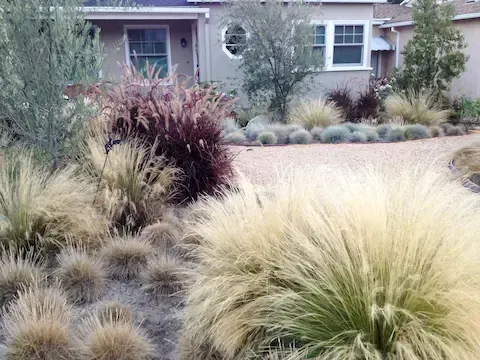
Desert Landscaping for Sunrise Manor NV Mojave Homes
Understanding Mojave Desert Landscaping Principles
Desert landscaping in Sunrise Manor transforms your outdoor space into a sustainable ecosystem that thrives in Nevada's arid climate. The Mojave Desert presents unique challenges with its alkaline soil, intense summer heat, and minimal rainfall averaging just four inches annually. Your landscaping success depends on working with these natural conditions rather than fighting against them.
The foundation of effective desert landscaping starts with understanding your soil composition. Sunrise Manor sits on caliche-heavy ground, a concrete-like hardpan layer that forms naturally in desert environments. This dense layer prevents proper drainage and root penetration, making soil preparation crucial for plant establishment. Professional soil amendment involves breaking through caliche barriers and creating drainage channels that redirect water flow.
Native plant selection drives every successful desert landscape design. Mojave yucca, desert willow, and brittlebush have evolved over thousands of years to survive in your exact climate conditions. These plants require minimal supplemental watering once established and provide year-round visual interest through varied textures, seasonal blooms, and architectural forms that complement modern home designs.
Soil Preparation and Drainage Solutions
Caliche soil dominates the Sunrise Manor area, creating a concrete-hard barrier typically found 12-24 inches below the surface. This layer prevents water infiltration and blocks root growth, leading to plant stress and failure. Successful soil preparation requires mechanical breaking of caliche using specialized equipment or careful hand excavation around planting areas.
Creating proper drainage becomes essential when working with amended desert soils. French drains, gravel beds, and raised planting areas help excess water move through your landscape rather than pooling around plant roots. Many homeowners discover that their soil drains too quickly in some areas while becoming waterlogged in others, requiring customized solutions for each microclimate in their yard.
Soil amendment should focus on improving structure rather than changing pH levels dramatically. Adding decomposed granite, sand, and organic matter in modest quantities helps create the fast-draining conditions that desert plants prefer. Avoid heavy amendments like clay or excessive compost, which can create moisture-retention problems that damage drought-adapted plants.
Native Plant Selection for Mojave Climate
Your plant palette should reflect the natural Mojave ecosystem while providing the visual appeal you want for your home landscape. Desert trees like palo verde and mesquite offer shade and seasonal interest, while requiring minimal water once their root systems establish. These trees typically need two to three years of supplemental watering before becoming fully drought-tolerant.
Shrub layers create structure and privacy using plants like chuparosa, fairy duster, and desert sage. These mid-height plants fill space between trees and ground cover while providing habitat for local wildlife. Their varied bloom times ensure seasonal color throughout the year, with many species flowering during cooler months when other landscapes look dormant.
Ground cover options extend beyond traditional lawn alternatives to include decorative gravels, decomposed granite pathways, and low-growing plants like trailing lantana or desert marigold. Desert Landscaping professionals often recommend combining hardscape materials with carefully placed accent plants to create visual interest while minimizing maintenance requirements.
Water-Efficient Irrigation Systems
Drip irrigation systems provide targeted water delivery that matches desert plants' specific needs while conserving this precious resource. Unlike spray systems that lose significant water to evaporation, drip lines deliver moisture directly to root zones where plants can access it efficiently. This precision watering method reduces water waste by up to 50% compared to traditional sprinkler systems.
System design must account for Sunrise Manor's varying microclimates, including areas that receive reflected heat from pavement, walls, or south-facing exposures. Plants in these locations may need additional watering even when using drought-tolerant species. Zoning your irrigation allows different areas to receive appropriate water amounts based on sun exposure, plant types, and soil conditions.
Smart controllers and moisture sensors help optimize watering schedules based on current weather conditions and soil moisture levels. These technologies prevent overwatering during Nevada's sporadic rain events while ensuring plants receive adequate moisture during extended dry periods. the drip irrigation walkthrough provides detailed information about system installation and maintenance for local conditions.
Hardscape Integration and Design
Decomposed granite pathways create attractive walkways that complement desert plantings while requiring minimal maintenance. This material compacts naturally to form stable surfaces that handle foot traffic well while allowing some water infiltration. Color choices range from warm beiges and browns that echo natural desert tones to contrasting grays that create visual definition.
Rock gardens and boulder placements add dramatic focal points while serving practical functions like erosion control and thermal mass. Large stones absorb heat during the day and release it slowly at night, creating beneficial microclimates for nearby plants. Placement should appear natural rather than formal, mimicking the random patterns found in natural desert landscapes.
Retaining walls and terraced planting areas help manage slopes and create distinct garden zones. Natural stone or manufactured blocks that complement your home's architecture work best for desert applications. These structures also help with drainage management by directing water flow and preventing soil erosion during occasional heavy rainfall events.
Maintenance Requirements and Seasonal Care
Desert landscapes require different maintenance approaches compared to traditional gardens. Pruning schedules align with plant dormancy periods rather than calendar dates, with most desert plants benefiting from trimming during late winter before spring growth begins. Dead-heading spent flowers and removing damaged branches helps plants direct energy into healthy growth.
Weed control becomes crucial during the brief periods when moisture conditions favor weed germination. Pre-emergent herbicides applied before spring rains can prevent annual weeds from establishing, while hand-pulling remains the safest method around established desert plants. Mulching with decorative gravel or wood chips helps suppress weeds while conserving soil moisture.
Seasonal adjustments to irrigation schedules reflect changing weather patterns and plant water needs. Summer months may require more frequent watering for newly planted specimens, while established landscapes can often survive on natural precipitation during cooler months. Monitoring plant stress signs helps you adjust care routines before problems become serious.
Common Design Mistakes to Avoid
Overplanting represents one of the most frequent errors in desert landscape design. Desert plants need adequate spacing to reach their mature size without crowding, and many species require good air circulation to prevent fungal problems. What looks sparse initially will fill in appropriately over two to three growing seasons.
Mixing high-water and low-water plants in the same irrigation zone creates maintenance problems and plant stress. Group plants with similar water requirements together, and design separate irrigation zones for any areas that require different watering schedules. This approach ensures each plant receives appropriate care without waste or over-irrigation.
Ignoring mature plant sizes leads to expensive replanting projects as landscapes become overcrowded. Research each plant's ultimate height and spread, then plan accordingly. Consider that desert plants often live for decades when properly situated, making initial placement decisions particularly important for long-term landscape success.
Cost Considerations and Installation Timeline
Desert landscaping installation costs vary based on soil conditions, plant selections, and hardscape elements included in your design. Soil preparation represents a significant portion of initial expenses, particularly when caliche removal is necessary. However, the long-term savings in water bills and maintenance costs often offset higher initial investment within three to five years.
Installation timing affects both plant survival rates and project costs. Fall planting allows desert plants to establish root systems during cooler months before facing their first summer heat. Spring installation can work but requires more intensive watering and monitoring during the establishment period. Summer installation should be avoided except for container-grown specimens with guaranteed irrigation.
Phased installation approaches help manage costs while allowing you to observe how different areas of your landscape perform before completing the entire project. Starting with priority areas like front entries or main outdoor living spaces lets you refine your plant choices and design preferences before investing in the complete landscape transformation.
