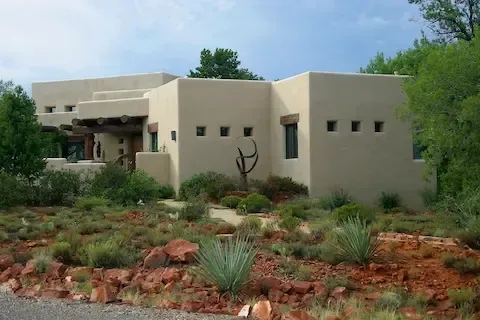
Spring Xeriscape Planting in Sunrise Manor NV Yards
Spring marks the critical planting window for xeriscape gardens in Sunrise Manor, where timing determines whether your drought-tolerant landscape thrives or struggles through the intense Mojave summer. The narrow March through early May window offers the perfect combination of mild temperatures and active root development before the desert heat arrives.
Optimal Spring Planting Timeline for Mojave Desert Conditions
Your spring xeriscape planting schedule in Sunrise Manor depends on nighttime temperature stability. Begin planting when nighttime lows consistently stay above 45°F, typically occurring in mid-March. This timing allows newly installed plants to establish root systems before summer temperatures reach 115°F and above.
The ideal planting period runs from March 15th through April 30th. Early May plantings can succeed with increased water attention, but avoid any installation after May 15th when daytime temperatures regularly exceed 95°F. Plants installed too late face transplant shock during the most stressful growing season.
Native and adapted species respond differently to spring installation timing. Desert marigold, brittlebush, and palo verde trees handle earlier March plantings well, while more sensitive selections like desert willow and fairy duster benefit from late March or April installation when soil temperatures warm consistently.
Plant Selection for Sunrise Manor Spring Installation
Choose plants adapted to USDA Zone 9a conditions with extreme summer heat tolerance. Successful spring xeriscape plantings in the Las Vegas Valley focus on species that establish quickly and handle temperature swings from 40°F winter nights to 120°F summer days.
Shrub selections should include desert sage, creosote bush, and ghost plant agave for reliable performance. These species establish robust root systems during the spring growing period and require minimal supplemental water once established. Cassia, desert spoon, and red yucca provide seasonal interest while maintaining drought tolerance.
Tree options for spring planting include palo verde, mesquite, and desert ironwood for larger specimens. Smaller accent trees like desert willow and chitalpa offer spring blooms and filtered shade. All tree plantings require deeper irrigation zones and longer establishment periods than shrubs or perennials.
Ground cover and perennial choices should emphasize durability and quick establishment. Trailing lantana, desert marigold, and blackfoot daisy spread effectively when planted in spring. Avoid tender perennials that struggle with heat transition, focusing instead on proven performers in Xeriscaping applications.
Soil Preparation and Installation Techniques
Spring xeriscape installation requires careful soil preparation to ensure proper drainage and root development. Sunrise Manor's caliche-heavy soils often need amendment or complete replacement in planting areas. Test your soil drainage by digging a hole 18 inches deep and filling it with water - proper drainage should empty the hole within 24 hours.
Improve clay or caliche soils by adding coarse sand, decomposed granite, or pumice to increase drainage. Avoid fine sand or organic amendments that can create drainage problems in desert soils. Create planting basins that allow water to soak deeply rather than running off hardpan surfaces.
Install plants at the same depth they grew in containers, avoiding the common mistake of planting too deeply in desert soils. Deep planting can lead to crown rot during summer irrigation. Backfill with native soil amendments rather than importing completely different soil types that create transition zones.
Watering Strategies for Spring Establishment
Newly planted xeriscape materials need consistent moisture during the spring establishment period, gradually reducing to drought-tolerant watering schedules. Plan on daily watering for the first two weeks, then transition to every other day for weeks three through six.
Apply water slowly and deeply to encourage downward root growth rather than shallow spreading roots. Use drip irrigation, soaker hoses, or hand watering to deliver moisture directly to root zones. Avoid overhead sprinklers that waste water to evaporation and encourage shallow rooting patterns.
Monitor soil moisture at 6-inch depth rather than surface conditions. Spring winds and low humidity in the Mojave Desert can create misleading surface drying while subsurface moisture remains adequate. Adjust watering frequency based on actual root zone conditions rather than visual surface cues.
Reduce watering frequency as plants show new growth, typically 6-8 weeks after installation. Most xeriscape plants should transition to weekly deep watering by late spring, preparing them for the reduced summer watering schedule that maintains landscape health without waste.
Common Spring Planting Mistakes in Desert Landscapes
Overwatering represents the most frequent error in spring xeriscape establishment. While plants need consistent moisture during establishment, excessive water leads to root rot and poor heat tolerance. Desert-adapted plants develop stronger root systems under moderate water stress than constant saturation.
Planting too late in the season creates unnecessary stress and higher water requirements. Many homeowners attempt xeriscape installation in May or June when plant availability peaks at nurseries. However, this timing forces plants to establish during increasing heat stress rather than favorable spring conditions.
Mixing high-water and low-water plants in the same irrigation zone creates management problems and water waste. Group plants by water needs and establish separate irrigation schedules for different zones. This approach prevents overwatering drought-tolerant species while meeting the needs of higher-water accent plants.
Installing plants without considering mature size leads to overcrowding and maintenance problems. Desert plants often grow larger than expected when properly established. Space plants according to mature spread rather than nursery container size to avoid future removal or severe pruning.
Local Considerations for Sunrise Manor Properties
Sunrise Manor's elevation of approximately 2,000 feet creates slightly cooler conditions than central Las Vegas, extending the spring planting window by 7-10 days. However, the area's exposure to desert winds requires additional attention to newly planted materials that can dry out quickly during spring weather patterns.
Local soil conditions vary significantly across different subdivisions in Sunrise Manor. Properties near Nellis Air Force Base often have sandier soils that drain well but require more frequent watering during establishment. Areas closer to the mountains may have rockier conditions that need soil preparation for proper root development.
Consider your property's microclimate when timing spring installations. South-facing slopes and areas with afternoon sun exposure heat up faster than protected northern exposures. Plan installations in challenging microclimates for earlier in the spring window to maximize establishment time before intense heat arrives.
Wind protection becomes crucial for spring plantings in this area's exposed desert environment. Temporary windbreaks or strategic placement near existing structures can improve establishment success rates. For guidance on comprehensive landscape planning, review our xeriscape conversion overview for property-wide design considerations.
Professional Installation Considerations
Spring represents the busiest season for xeriscape installation in the Mojave Desert region. Schedule professional installation services early in the year to secure optimal timing within the March-April window. Delays in scheduling can push installation into less favorable late spring conditions.
Professional installers understand local soil conditions, optimal plant spacing, and irrigation requirements specific to Sunrise Manor's desert environment. They can identify and address drainage issues, create proper soil amendments, and establish irrigation systems designed for long-term water efficiency.
Quality installation includes proper plant selection for specific site conditions, correct planting depth and spacing, appropriate soil preparation, and establishment of efficient irrigation systems. Professional services often include plant warranties and establishment period maintenance that ensure successful landscape development.
Long-term Success Through Proper Spring Installation
Spring xeriscape planting sets the foundation for years of low-maintenance, water-efficient landscaping in Sunrise Manor's challenging desert climate. Proper timing, plant selection, and installation techniques during this critical window determine whether your landscape thrives with minimal inputs or struggles with ongoing maintenance needs.
Focus on creating sustainable landscape systems that work with natural desert conditions rather than against them. Well-planned spring installations develop into resilient landscapes that provide beauty and functionality while conserving water resources and reducing long-term maintenance requirements.
The investment in proper spring installation pays dividends through reduced water bills, lower maintenance costs, and improved property values. Desert landscapes installed correctly during optimal timing periods mature into distinctive, attractive outdoor spaces that celebrate the natural beauty of the Mojave Desert environment.
