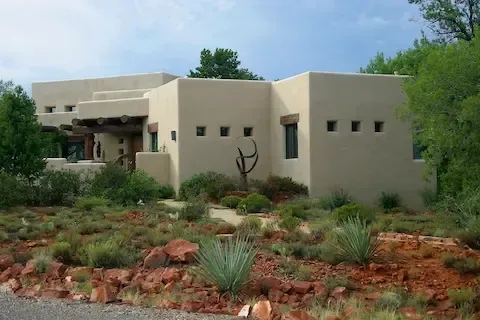
Xeriscape Conversion in Sunrise Manor NV: AB356 Ready
Converting your traditional lawn to xeriscape in Sunrise Manor represents one of the smartest landscaping decisions you can make in the Mojave Desert. With Nevada's Assembly Bill 356 requiring the removal of non-functional turf by 2027 and the Southern Nevada Water Authority offering substantial rebates for water-wise conversions, now is the perfect time to transform your outdoor space. Xeriscape conversion not only reduces your water consumption by up to 75% but also creates a stunning, low-maintenance landscape that thrives in our desert climate.
Understanding AB356 and Its Impact on Sunrise Manor Properties
Assembly Bill 356 has fundamentally changed the landscaping landscape in Nevada, particularly affecting homeowners and businesses in Sunrise Manor. This legislation mandates the removal of non-functional turf grass by December 31, 2026, targeting approximately 3,900 acres of decorative grass throughout Southern Nevada. Non-functional turf includes grass strips in medians, parking lot islands, and decorative areas that serve no recreational purpose.
For Sunrise Manor residents, this law presents both a challenge and an opportunity. While you must comply with the removal requirements, the transition opens doors to Xeriscaping solutions that dramatically reduce water usage and maintenance costs. The legislation specifically exempts functional turf areas like sports fields, golf courses, and active recreational spaces, but decorative lawn areas fall under the removal mandate.
The enforcement of AB356 comes with significant penalties for non-compliance. Property owners who fail to remove non-functional turf face fines starting at $100 per day after the deadline. Given the desert climate of Sunrise Manor, where summer temperatures regularly exceed 110°F and annual rainfall averages less than 4 inches, maintaining traditional lawns becomes increasingly unsustainable both environmentally and financially.
Understanding the specific requirements helps you plan your conversion effectively. The law requires complete removal of non-functional turf, not just allowing it to die naturally. This means physically removing the grass, roots, and underlying irrigation systems designed for high water consumption. However, the legislation provides a clear pathway forward through water-efficient landscaping alternatives that qualify for substantial rebates.
SNWA Rebate Programs for Xeriscape Conversion
The Southern Nevada Water Authority has established one of the most generous rebate programs in the nation to encourage xeriscape conversion. SNWA pays $5 per square foot on the first 10,000 square feet converted, and LVVWD customers receive another $2 per square foot, for $7 per square foot combined. That rate makes even a modest front yard conversion financially attractive for Sunrise Manor property owners. These rebates can cover a significant portion of your conversion costs, sometimes funding the entire project depending on your design choices.
To qualify for SNWA rebates, your xeriscape conversion must meet specific criteria. The removed turf area must be replaced with water-efficient plants, decorative rock, permeable hardscaping, or other approved alternatives. The program requires a minimum conversion area of 200 square feet for residential properties, ensuring meaningful water savings. Commercial properties have different minimum requirements based on their total landscaped area.
The application process involves pre-approval before beginning your conversion project. SNWA requires detailed plans showing existing turf areas, proposed replacement materials, and irrigation modifications. Professional documentation often strengthens your application, particularly for larger conversions. The authority conducts site inspections before approving rebate payments, ensuring compliance with program requirements.
Payment timing follows project completion and final inspection. SNWA typically processes rebate payments within 60 days of approved inspections. The rate steps down past 10,000 square feet converted in a single fiscal year, though few residential projects approach that threshold. Commercial properties may need to phase larger conversions across multiple years to maximize rebate benefits while staying within annual caps.
Design Principles for Successful Xeriscape Conversion
Effective xeriscape design goes far beyond simply removing grass and adding rocks. Successful conversions in Sunrise Manor require understanding of desert microclimates, soil conditions, and seasonal weather patterns. The design process begins with analyzing your property's sun exposure, drainage patterns, and existing hardscaping elements that will remain after conversion.
Plant selection forms the foundation of attractive xeriscape design. Native Nevada plants like desert marigold, brittlebush, and palo verde trees provide year-round interest while requiring minimal irrigation once established. These plants have evolved to thrive in the Mojave Desert's extreme conditions, offering natural resilience against temperature fluctuations and drought periods that would devastate traditional landscaping.
Soil preparation proves critical for xeriscape success. Sunrise Manor's caliche-heavy soils often require amendment or strategic drainage solutions to prevent water pooling during rare but intense desert storms. Proper soil preparation ensures plant establishment while preventing erosion issues that can develop when turf root systems are removed from sloped areas.
Hardscaping elements provide structure and visual appeal while requiring zero irrigation. Decorative rock, permeable pavers, and drought-resistant ground covers create attractive transitions between planted areas. Strategic placement of boulders, architectural plants like agaves, and seasonal color spots maintains visual interest throughout the year while supporting the overall water conservation goals.
Installation Process and Timeline Considerations
Xeriscape conversion projects in Sunrise Manor typically span 4-8 weeks depending on project size and complexity. The process begins with obtaining necessary permits and SNWA pre-approval, which can take 2-3 weeks. Professional installations often move more quickly through approval processes due to established relationships with regulatory agencies and experience with documentation requirements.
Turf removal represents the most labor-intensive phase of conversion. Complete removal includes extracting grass, root systems, and modifying irrigation infrastructure. This process generates significant organic waste that requires proper disposal according to Clark County regulations. Many conversion projects coordinate with waste management services to handle removed materials efficiently while complying with local disposal requirements.
Soil preparation follows turf removal, involving grading, drainage improvements, and soil amendments as needed. Desert soils often require specific treatments to support new plantings while preventing future problems. This phase includes installing new irrigation systems designed for drip or micro-spray delivery, dramatically reducing water consumption compared to traditional sprinkler systems.
Plant installation timing affects establishment success significantly. Fall and early spring provide optimal planting windows in Sunrise Manor, allowing plants to establish root systems before extreme summer heat arrives. Winter installations can succeed but may require additional protection during occasional freeze events that affect the Las Vegas Valley.
Plant Selection for Sunrise Manor Climate Conditions
Choosing appropriate plants for your xeriscape conversion requires understanding Sunrise Manor's specific climate challenges. Located in USDA Hardiness Zone 9a, the area experiences extreme heat, minimal rainfall, and occasional winter freezes that can damage inappropriate plant selections. Successful plant choices must handle temperature swings from below freezing to above 115°F while maintaining attractive appearance year-round.
Native shrubs provide excellent foundation plantings for xeriscape conversions. Desert cassia offers bright yellow flowers and silvery foliage, while fairy duster produces pink blooms that attract hummingbirds and butterflies. These shrubs require minimal supplemental irrigation once established and provide structure for seasonal plantings and smaller accent plants.
Tree selection impacts both aesthetics and property values in converted landscapes. Palo verde trees serve as Nevada's state tree and provide filtered shade without excessive water requirements. Mesquite trees offer rapid growth and nitrogen fixation that benefits surrounding plants. Both species drop leaves during drought periods, naturally conserving water during stress periods.
Ground cover alternatives replace traditional turf while providing visual continuity across larger areas. Desert marigold creates golden carpets during blooming seasons, while trailing lantana offers year-round color in protected microclimates. These alternatives require significantly less water than turf grass while providing habitat for beneficial insects and wildlife.
Succulent plants add architectural interest and require minimal care once established. Agaves, barrel cacti, and prickly pear varieties provide dramatic focal points while storing water in their tissues for extended drought periods. Proper placement away from foot traffic areas ensures safety while maximizing visual impact in converted landscapes.
Irrigation System Modifications for Water Efficiency
Converting from turf irrigation to xeriscape-appropriate systems requires significant infrastructure modifications. Traditional sprinkler systems designed for lawn watering deliver too much water too quickly for most drought-tolerant plants. Successful conversions incorporate drip irrigation, micro-sprayers, and smart controllers that respond to weather conditions and plant needs.
Drip irrigation provides precise water delivery directly to plant root zones, minimizing evaporation losses that waste significant water in desert climates. These systems operate at low pressure and deliver water slowly, allowing soil absorption while preventing runoff. Properly designed drip systems can reduce irrigation water usage by 50-75% compared to traditional sprinkler systems.
Smart irrigation controllers automatically adjust watering schedules based on weather data, soil moisture levels, and seasonal plant requirements. These systems prevent overwatering during cooler periods while ensuring adequate moisture during establishment phases. Many models connect to local weather stations, automatically skipping irrigation cycles when rain occurs or humidity levels indicate sufficient soil moisture.
Zone modifications allow different plant types to receive appropriate water amounts without waste. Newly planted areas require more frequent irrigation during establishment, while mature native plants may need supplemental water only during extreme drought periods. Separate irrigation zones accommodate these varying needs while maintaining system efficiency throughout the conversion area.
Maintenance Requirements and Long-term Care
Xeriscape maintenance differs significantly from traditional lawn care, focusing on seasonal tasks rather than weekly mowing and frequent watering. Understanding these maintenance requirements helps you plan for long-term landscape success while enjoying the reduced workload that draws many homeowners to water-wise landscaping options.
Weed control becomes particularly important during the first two years after conversion. Disturbed soil provides opportunities for invasive species to establish before desired plants fill in completely. Pre-emergent herbicides applied seasonally prevent weed germination, while manual removal handles breakthrough weeds without damaging established plants.
Pruning schedules depend on specific plant selections but generally occur during dormant periods to minimize stress. Most desert shrubs benefit from light pruning to maintain shape and remove dead wood, while trees may require professional pruning to ensure healthy structure. Timing pruning activities before spring growth periods promotes vigorous recovery and blooming.
Fertilization requirements remain minimal for native plants adapted to desert soils. Most established xeriscape plants perform well without supplemental fertilizers, though newly planted areas may benefit from organic soil amendments during establishment. Over-fertilization can actually harm desert plants by promoting excessive growth that requires more water and becomes susceptible to heat stress.
Seasonal clean-up tasks include removing spent flowers to encourage continued blooming, clearing debris from drainage areas, and checking irrigation systems for proper operation. These tasks typically require only a few hours monthly compared to the weekly maintenance demands of traditional turf landscapes.
Cost Analysis and Return on Investment
Understanding the financial implications of xeriscape conversion helps you make informed decisions about design choices and implementation timing. While initial conversion costs vary significantly based on design complexity and plant selections, most Sunrise Manor homeowners see positive returns within 3-5 years through reduced water bills and maintenance costs.
SNWA rebates substantially offset conversion costs, potentially covering 60-80% of project expenses for straightforward conversions. At the combined $7 per square foot, a typical 2,000 square foot lawn conversion generates $14,000 in rebates.. Additional savings come from eliminated lawn mower purchases, reduced fertilizer costs, and decreased irrigation system maintenance requirements.
Water bill reductions provide ongoing savings throughout the landscape's lifetime. Typical turf areas in Sunrise Manor require 40-60 inches of irrigation annually to maintain acceptable appearance. Xeriscape alternatives typically need 10-15 inches annually once established, representing 70-80% reduction in landscape water consumption. These savings compound annually, particularly as water rates continue increasing.
Property value impacts vary depending on design quality and market conditions. Well-designed xeriscape conversions often increase property values, particularly in desert communities where water conservation awareness continues growing. Professional installations typically provide higher returns than DIY projects due to superior plant selection, design integration, and long-term performance.
Maintenance cost savings extend beyond water bills to include equipment, labor, and material expenses. Eliminating weekly mowing, seasonal fertilization, and frequent irrigation system repairs reduces ongoing landscape expenses significantly. These savings help offset initial conversion investments while providing more time for enjoying outdoor spaces rather than maintaining them.
Professional vs. DIY Conversion Considerations
Deciding between professional installation and DIY conversion depends on project scope, available time, and technical expertise requirements. While smaller conversions may suit motivated homeowners, larger projects often benefit from professional experience with design, installation, and regulatory compliance requirements specific to Sunrise Manor and Clark County regulations.
Professional installations typically qualify for SNWA rebates more easily due to contractor familiarity with application processes and documentation requirements. Experienced contractors understand local soil conditions, drainage issues, and plant performance characteristics that affect long-term success. Professional warranties also protect your investment against plant failures and installation problems during establishment periods.
DIY conversions can reduce labor costs but require significant time investments and learning curves. Turf removal, soil preparation, and irrigation modifications demand physical labor and technical knowledge that many homeowners underestimate. Mistakes during these phases can create expensive problems that exceed professional installation costs while delaying project completion and rebate eligibility.
Hybrid approaches combine professional design and technical work with homeowner installation of finish elements like decorative rock and simple plantings. This strategy captures professional expertise for critical phases while allowing personal involvement in aesthetic decisions. Many contractors offer consultation services that guide DIY efforts while ensuring compliance with rebate requirements and local regulations.
