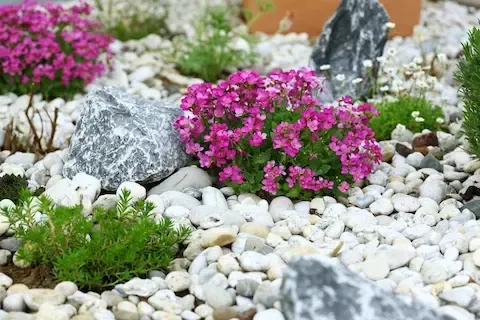
Rock Landscaping for Sunrise Manor NV Low-Water Yards
Understanding Rock Landscaping in Desert Environments
Your Sunrise Manor yard faces unique challenges that make rock landscaping an ideal solution for creating beautiful, sustainable outdoor spaces. The desert climate demands water-conscious design choices that can withstand temperature extremes while maintaining visual appeal year-round. Rock landscaping combines functionality with aesthetic value, offering you a landscape that thrives in Nevada's arid conditions.
Rock landscaping involves strategic placement of various stone materials, from decomposed granite pathways to dramatic boulder formations, creating texture and visual interest without relying on water-intensive plants. This approach aligns perfectly with Southern Nevada Water Authority rebate programs, helping you reduce water consumption while enhancing your property value.
The key to successful rock landscaping lies in understanding how different stone materials work together to create cohesive designs. Decomposed granite provides excellent groundcover and pathway material, while larger decorative rocks serve as focal points and natural borders. Native plants integrated thoughtfully throughout the rockscape add color and life without compromising water efficiency.
Types of Rock Materials for Nevada Landscapes
Decomposed granite stands as the foundation material for most rock landscapes in Sunrise Manor. This crushed granite compacts well, creating stable surfaces for walkways and open areas while allowing proper drainage. Its natural tan and gray tones complement the desert environment, and it requires minimal maintenance once properly installed.
River rock offers smooth, rounded stones in various sizes perfect for creating dry creek beds and drainage solutions. These rocks help manage water runoff during occasional desert storms while adding natural movement to your landscape design. Medium-sized river rocks work excellently around plant groupings, while larger specimens create striking focal points.
Flagstone provides flat, natural surfaces ideal for patios, stepping stones, and retaining walls. Nevada flagstone varieties offer durability against temperature fluctuations and UV exposure. The irregular shapes and earth tones integrate seamlessly with other rock elements while providing functional outdoor living spaces.
Boulders serve as dramatic anchor points in rock landscapes, creating visual weight and natural-looking formations. Properly placed boulders can define spaces, provide seating areas, and create microclimates for plants. Choose boulders with interesting shapes and textures that complement your overall design theme.
Lava rock brings unique texture and color variation to your landscape. Its porous nature provides excellent drainage properties, and its distinctive appearance adds visual interest. Black or red lava rock creates striking contrast against lighter colored stones and desert plants.
Water-Wise Plant Integration
Successfully combining plants with rock landscaping requires selecting species that thrive in well-draining, rocky soil conditions. Desert marigold provides bright yellow blooms throughout most of the year, requiring minimal water once established. Its compact growth habit works perfectly among rock groupings without overwhelming the stone elements.
Palo verde trees offer filtered shade and seasonal interest with their green bark and spring flowers. These native trees require deep but infrequent watering, making them ideal companions for rock landscapes. Their light canopy allows sufficient light to reach understory plantings while providing relief from intense summer sun.
Agave varieties contribute architectural forms that complement angular rock formations. Century plants, artichoke agaves, and smaller species like parry's agave create sculptural elements that require virtually no supplemental watering once established. Their symmetrical forms provide excellent contrast to irregular rock shapes.
Rock Landscaping designs benefit greatly from ornamental grasses that add movement and softness to harder stone elements. Mexican feather grass, fountain grass, and deer grass varieties sway gently in desert breezes while requiring minimal water inputs.
Cacti and succulents offer endless variety in form, texture, and seasonal color. Barrel cacti, prickly pear, and various cholla species provide structural interest, while smaller succulents like hens and chicks fill spaces between rocks with intricate patterns and occasional blooms.
Design Principles for Rock Landscapes
Creating visual flow throughout your rock landscape requires careful attention to color coordination and material placement. Use the largest rocks as primary focal points, then layer medium and small stones to create natural-looking transitions. Avoid perfectly straight lines or overly uniform spacing, instead mimicking the irregular patterns found in natural desert environments.
Establish clear sight lines and pathways using decomposed granite or flagstone stepping stones. These circulation routes should feel natural and inviting, guiding visitors through your landscape while highlighting key features. Consider how your pathways will look from inside your home as well as from various points within the yard.
Create depth and dimension by varying rock sizes and heights throughout your design. Cluster similar-sized materials together, then use contrasting elements to create transitions between zones. This layering approach prevents your landscape from appearing flat or monotonous.
Balance open spaces with planted areas to avoid overwhelming your design with too many competing elements. Large expanses of decomposed granite provide visual rest areas that highlight planted sections and rock features. This balance also makes maintenance more manageable over time.
Installation Considerations and Techniques
Proper site preparation forms the foundation of successful rock landscaping projects. Remove existing vegetation and amend soil drainage if necessary, particularly in areas where water tends to collect. Install landscape fabric in areas where you want to suppress weed growth while allowing water penetration.
Establish proper grades and drainage patterns before placing any rocks or plants. Water should flow away from structures and toward designated drainage areas or planted zones where it can be beneficial. Consider installing French drains or dry creek beds to handle occasional heavy precipitation events.
When placing large boulders, bury them partially to create natural-looking installations that appear to have been there for centuries. Generally, one-third of the boulder should be below ground level. This technique also provides stability and prevents shifting over time.
For more complex installation needs, consulting our hardscape material rundown helps ensure proper material selection and placement techniques that withstand local weather conditions.
Install plant materials during cooler months when possible, allowing root systems to establish before facing extreme summer temperatures. Create planting pockets with amended soil in areas designated for vegetation, ensuring good drainage while providing adequate root space.
Maintenance and Long-Term Care
Rock landscapes require significantly less maintenance than traditional turf areas, but proper care ensures long-term beauty and functionality. Regular removal of windblown debris prevents organic matter from accumulating and potentially supporting unwanted vegetation growth in rock areas.
Periodic refreshing of decomposed granite pathways maintains their appearance and compaction. Add new material as needed and re-compact areas that receive heavy foot traffic. This maintenance typically occurs every two to three years depending on usage patterns.
Weed control in rock landscapes involves both preventive and reactive approaches. Pre-emergent herbicides applied in early spring help prevent annual weeds from germinating, while spot treatment of perennial weeds maintains clean appearances throughout the growing season.
Monitor plant health and adjust irrigation schedules seasonally. Even drought-tolerant plants may require supplemental water during establishment periods and extreme heat events. Deep, infrequent watering encourages robust root development and overall plant resilience.
Cost Considerations and SNWA Rebates
Rock landscaping projects in Sunrise Manor often qualify for Southern Nevada Water Authority rebate programs that offset installation costs. These rebates recognize water conservation benefits and encourage sustainable landscaping practices throughout the region. Current rebate amounts vary based on total square footage converted and specific materials used.
Initial installation costs for rock landscapes typically exceed traditional landscaping due to material and labor requirements for proper site preparation and rock placement. However, long-term savings in water bills, maintenance costs, and plant replacement expenses often result in positive return on investment within five to seven years.
Material costs vary significantly based on rock types, sizes, and sourcing locations. Local Nevada materials generally cost less than imported stones but may have limited color and texture options. Consider mixing local materials with strategic accents of specialty stones to achieve desired aesthetics while controlling costs.
Professional installation ensures proper techniques and may be required for rebate program compliance. Quality installation prevents future problems with drainage, settling, or plant establishment that could require costly corrections later.
Environmental Benefits and Sustainability
Rock landscaping significantly reduces residential water consumption, supporting regional water conservation goals critical for Sunrise Manor's long-term sustainability. Properties with well-designed rock landscapes typically use 50-70% less water than comparable turf areas while maintaining attractive curb appeal.
Reduced chemical inputs benefit local soil and groundwater quality. Rock landscapes eliminate needs for fertilizers, pesticides, and herbicides commonly required for traditional lawn maintenance. This reduction supports healthier local ecosystems and reduces chemical runoff into storm water systems.
Native and adapted plant materials used in rock landscapes provide habitat for local wildlife including birds, beneficial insects, and small mammals. These ecological connections support biodiversity while creating more interesting and dynamic outdoor environments for homeowners to enjoy.
Heat island reduction occurs when rock landscapes replace large expanses of hardscaping or artificial turf. Natural stones and plants provide evapotranspiration cooling effects that help moderate local temperatures, particularly beneficial during extreme summer conditions common in the Las Vegas Valley.
Seasonal Interest and Year-Round Appeal
Well-designed rock landscapes provide visual interest throughout all seasons, with different elements taking prominence as conditions change. Spring brings dramatic wildflower displays and fresh growth on perennial plants, while stone elements provide consistent structure and color.
Summer showcases the heat tolerance and water efficiency that makes rock landscaping ideal for Nevada conditions. Morning and evening light creates dramatic shadows and highlights stone textures, while drought-adapted plants maintain their form and color despite extreme temperatures.
Fall offers opportunities for seasonal color through carefully selected plants like desert willow or autumn sage that provide blooms during cooler months. Stone elements gain particular prominence as deciduous plants enter dormancy, creating sculptural winter landscapes.
Winter reveals the fundamental structure of your rock landscape design, with evergreen plants and stone formations providing continuous visual appeal. Occasional snow highlights textures and creates temporary but striking visual effects that demonstrate the versatility of rock landscape designs.
