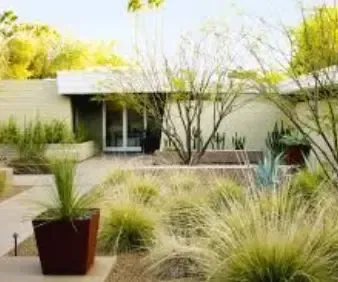
Hardscaping Layouts for Sunrise Manor NV Desert Yards
Planning Your Desert Hardscape Layout
Your Sunrise Manor yard demands hardscaping solutions that work with the Mojave Desert's extreme conditions rather than against them. Successful desert hardscape layouts start with understanding your caliche soil composition, seasonal temperature swings from 40°F winters to 115°F summers, and the minimal annual rainfall of just 4 inches. These environmental factors shape every design decision from material selection to drainage planning.
Effective hardscape layouts in Sunrise Manor focus on creating functional outdoor spaces while managing heat reflection and water runoff. Your design should incorporate shade structures, wind barriers, and materials that don't become scalding hot during peak summer months. Consider how your hardscape will look and function during both the intense summer heat and the surprisingly cool winter nights when temperatures can drop below freezing.
Start your layout planning by mapping existing grade changes, identifying natural drainage patterns, and noting areas that receive morning versus afternoon sun exposure. These factors will determine where to place patios, walkways, and accent features for maximum usability and longevity.
Material Selection for Mojave Durability
Flagstone remains the premium choice for Sunrise Manor hardscaping due to its natural heat absorption properties and resistance to thermal expansion. Arizona flagstone and Colorado red sandstone perform exceptionally well in desert conditions, maintaining comfortable surface temperatures even during July afternoons when air temperatures exceed 110°F. These materials also complement the natural desert palette while providing slip-resistant surfaces for pool areas and patios.
Decomposed granite offers versatile design possibilities for pathways and accent areas. This material compacts well in your caliche-heavy soil and provides excellent drainage during monsoon season downpours. Mix decomposed granite with stabilizing agents to prevent erosion during high winds that frequently sweep across the valley from Red Rock Canyon.
Concrete pavers specifically manufactured for desert climates provide cost-effective solutions for larger hardscape areas. Look for pavers with light colors and textured surfaces that reflect heat rather than absorbing it. Avoid dark-colored materials like black granite or dark concrete, which can reach surface temperatures exceeding 150°F during summer months.
Hardscaping projects in desert environments require specialized knowledge of thermal expansion joints and proper base preparation to prevent cracking during extreme temperature fluctuations.
Drainage Integration and Grading
Desert hardscape layouts must accommodate intense but infrequent rainfall events typical of Sunrise Manor's monsoon season. Your hardscape design should include integrated drainage channels, permeable surfaces, and strategic grading to direct water away from structures and toward planted areas that benefit from concentrated moisture.
Install French drains along hardscape borders to prevent water accumulation against foundation walls and retaining structures. These drainage systems become critical during monsoon storms when your yard may receive an entire month's worth of rainfall in a single afternoon. Properly installed drainage prevents erosion of your hardscape base materials and extends the lifespan of your investment.
Incorporate slight slopes of 1-2% grade into patio and walkway designs to encourage water runoff without creating trip hazards. This subtle grading helps prevent standing water that can lead to efflorescence on stone surfaces and provides better safety during the brief but intense rainfall events common in the Las Vegas valley.
Heat Management Through Design
Strategic shade integration transforms unusable blazing hardscape areas into comfortable outdoor living spaces. Position pergolas, ramadas, and shade sails over primary seating and cooking areas to create microclimates that remain usable during summer months. Solid roof structures provide complete sun protection, while lattice designs allow air circulation that prevents heat buildup.
Create thermal breaks between different hardscape materials to prevent heat transfer and expansion issues. Install expansion joints filled with flexible sealants every 10-12 feet in large paved areas. These joints accommodate the significant thermal movement that occurs when materials heat up during 115°F afternoons and cool to 80°F overnight.
Water features provide both visual appeal and evaporative cooling that can reduce surrounding temperatures by 10-15 degrees. Design fountains and water walls with recirculating systems that conserve water while providing the cooling benefits essential for comfortable outdoor living in Sunrise Manor's desert climate.
Native Plant Integration Points
Successful desert hardscape layouts include strategic planting pockets that soften hard surfaces while requiring minimal irrigation. Design raised planters and integrated growing areas that showcase desert-adapted plants like purple prickly pear, desert marigold, and brittlebush. These natives provide seasonal color changes and attract beneficial wildlife without competing with your hardscape for water resources.
Position planted areas to take advantage of runoff from hardscape surfaces, creating mini-oases that thrive on collected rainwater. This approach reduces irrigation needs while adding visual interest through contrasting textures between smooth stone surfaces and spiky desert vegetation.
Incorporate decomposed granite mulch around planted areas to create seamless transitions between hardscape and landscape elements. This design technique unifies your outdoor space while providing practical benefits like weed suppression and moisture retention around plant root zones.
Functional Zone Planning
Divide your Sunrise Manor yard into distinct functional zones connected by your hardscape network. Create separate areas for dining, entertaining, cooking, and relaxation, with each zone sized appropriately for your family's lifestyle needs. Connect these zones with pathways that provide logical flow while avoiding the creation of heat islands in frequently used areas.
Design your primary entertaining areas on the north or east sides of your property where they receive morning sun but afternoon shade from structures or mature vegetation. This positioning extends the usable season for outdoor activities and reduces cooling costs for adjacent indoor spaces.
Include service areas in your hardscape planning for practical necessities like refuse storage, utility access, and equipment maintenance. Screen these functional zones with decorative walls or planted barriers while maintaining easy access for regular use and maintenance activities.
Consider seasonal usage patterns when planning zone sizes and locations. Areas used primarily during cooler months can handle more sun exposure, while spaces intended for summer evening use require significant shade protection and cooling features.
Installation Timing and Preparation
Schedule hardscape installation during Sunrise Manor's optimal weather windows - typically October through March when daytime temperatures remain below 85°F. This timing allows proper material curing and reduces heat stress on installation crews while ensuring adhesives and sealants cure correctly in moderate temperatures.
Prepare your caliche soil base with proper excavation and compaction techniques specific to desert conditions. Add base rock and sand layers in lifts, compacting each layer to prevent settling and shifting during temperature extremes. This preparation phase determines your hardscape's long-term stability and performance.
Plan for utility line locations and future access needs before beginning hardscape installation. Mark all underground utilities and consider future needs for irrigation expansion, lighting upgrades, or outdoor kitchen installations. Making these accommodations during initial construction saves significant costs and disruption later.
For more comprehensive planning guidance, review our Mojave yard breakdown that covers the broader landscape context for your hardscaping decisions.
Long-term Maintenance Considerations
Desert hardscapes require specific maintenance approaches to preserve their appearance and functionality in Sunrise Manor's harsh climate. Establish regular cleaning schedules that remove dust and debris buildup before it becomes embedded in stone surfaces. Use pressure washing during cooler months to avoid rapid evaporation that leaves mineral deposits on cleaned surfaces.
Seal natural stone surfaces every 2-3 years to protect against UV degradation and thermal stress. Choose sealers specifically formulated for desert climates that won't break down under intense UV exposure or create slippery surfaces during infrequent rain events.
Monitor expansion joints and drainage systems annually, clearing debris that can block water flow and replacing deteriorated sealants before they allow moisture infiltration. These proactive maintenance steps prevent costly repairs and extend your hardscape investment's lifespan in the challenging Mojave Desert environment.
