Rock Landscaping for Sunrise Manor NV Desert Homes
Understanding Rock Landscaping in Desert Environments
Rock landscaping transforms your Sunrise Manor property into a stunning desert oasis that thrives in Nevada's challenging climate. You'll discover that stone-based designs offer unmatched durability against the Mojave Desert's extreme temperatures, intense UV exposure, and minimal rainfall patterns. When you choose rock landscaping for your yard, you're investing in a solution that reduces water consumption by up to 70% while creating visual appeal that lasts for decades.
Your desert home benefits from rock landscaping's natural ability to retain soil moisture, prevent erosion during flash floods, and provide habitat for beneficial desert wildlife. The thermal mass properties of stone help regulate soil temperatures, protecting plant roots from temperature extremes that commonly stress traditional lawns and garden beds in the Las Vegas Valley.
Professional installations in Sunrise Manor typically incorporate multiple rock types, sizes, and colors to create depth and visual interest. You can expect designs that blend seamlessly with the surrounding desert landscape while adding property value and curb appeal that attracts potential buyers in Clark County's competitive real estate market.
Rock Types and Materials for Desert Applications
Decomposed granite stands as the most popular choice for Sunrise Manor homeowners seeking functional and attractive ground cover. This crushed stone material compacts naturally to create stable walking surfaces that resist weed growth while allowing proper drainage during Nevada's occasional downpours. You'll find decomposed granite available in colors ranging from tan and gold to red and gray, allowing perfect coordination with your home's exterior palette.
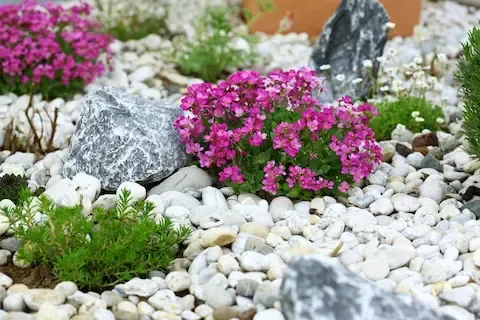
River rock installations provide excellent drainage solutions for areas prone to water accumulation, particularly around downspouts and foundation perimeters. These smooth, rounded stones come in various sizes from pea gravel at quarter-inch diameter up to large cobbles measuring six inches across. Your landscape design can incorporate river rock as accent features, pathway materials, or complete ground cover depending on your aesthetic preferences and functional requirements.
Boulder placement creates dramatic focal points that anchor your landscape design while requiring zero maintenance once installed. Native Nevada boulders blend naturally with the desert environment, while imported stones like Arizona red rock or Utah sandstone add striking color contrasts. Professional placement ensures proper drainage around large stones and prevents settlement issues that could damage surrounding hardscape features.
Decorative aggregates including crushed marble, lava rock, and colored glass provide unique design opportunities for homeowners seeking distinctive appearances. These specialty materials work best as accent features rather than primary ground cover, adding texture and visual interest to Rock Landscaping installations without overwhelming the overall design concept.
Design Principles for Desert Rock Gardens
Successful rock landscaping in Sunrise Manor follows desert design principles that emphasize water conservation, native plant integration, and sustainable maintenance practices. Your design should incorporate varying elevations using berms, terraced planting areas, and strategic boulder placement to create natural-looking contours that mimic the surrounding Mojave Desert topography.
Color coordination between hardscape and softscape elements ensures visual harmony throughout your property. Warm-toned stones complement desert plants like barrel cacti, agave, and desert marigolds, while cooler grays and blues provide striking backdrops for colorful flowering species adapted to arid conditions. Professional designers typically limit color palettes to three primary tones to avoid overwhelming visual chaos.
Drainage management becomes critical in rock garden design, particularly in areas that receive concentrated water flow during summer monsoons. Your installation should include proper grading that directs water away from foundations and toward designated drainage areas or bioswales that capture and filter runoff naturally.
Plant spacing and selection work together with rock placement to create sustainable ecosystems that thrive without supplemental irrigation. You'll achieve best results by clustering drought-tolerant plants in microclimates created by strategic stone placement, allowing each species to receive optimal growing conditions while minimizing water requirements throughout your landscape.
Installation Considerations and SNWA Compliance
Southern Nevada Water Authority regulations significantly impact rock landscaping decisions for Sunrise Manor residents participating in water-wise landscaping rebate programs. Your installation must meet specific coverage requirements, plant density standards, and irrigation efficiency guidelines to qualify for financial incentives that can offset installation costs by thousands of dollars.
Soil preparation forms the foundation of successful rock landscaping, requiring removal of existing turf, amendment of native soils, and installation of proper drainage systems. Professional contractors typically excavate to depths of four to six inches, install landscape fabric or plastic sheeting to suppress weeds, and add base materials that promote proper drainage while preventing stone migration over time.
Proper stone depths ensure longevity and functionality of your landscape investment. Decomposed granite requires minimum two-inch depth for effective weed suppression, while larger river rock and decorative stones need three to four inches of coverage. Insufficient material depth leads to weed breakthrough, uneven surfaces, and premature replacement costs that eliminate long-term savings.
Professional installation includes edge restraints that prevent stone migration into adjacent areas, maintain clean design lines, and provide structural support for walkways and planting areas. Materials like steel edging, concrete borders, or natural stone barriers create permanent boundaries that preserve your landscape's intended appearance while simplifying maintenance requirements.
Common Installation Mistakes and How to Avoid Them
Inadequate drainage planning represents the most frequent error in desert rock landscaping projects. Many homeowners underestimate the intensity of flash flooding during Nevada's monsoon season, leading to washout damage that requires expensive repairs and complete reinstallation. Your design must account for concentrated water flow patterns and include appropriate drainage infrastructure to prevent property damage.
Incorrect plant selection often results in failed landscapes that require constant replacement and excessive water consumption. You should avoid non-native species that struggle in desert conditions, focusing instead on plants specifically adapted to high heat, alkaline soils, and minimal rainfall patterns common throughout the Las Vegas Valley region.
Insufficient weed barrier installation allows aggressive desert weeds to penetrate rock coverage, creating maintenance nightmares that negate the low-maintenance benefits of stone landscaping. Professional installations include multiple layers of protection including pre-emergent herbicides, commercial-grade landscape fabric, and proper stone depths that prevent weed establishment.
Poor stone selection based solely on appearance rather than functionality leads to premature deterioration, displacement during weather events, and ongoing maintenance issues. Your material choices should prioritize durability, local availability, and compatibility with existing hardscape features rather than focusing exclusively on initial visual appeal.
Maintenance and Long-term Care Requirements
Rock landscaping maintenance in Sunrise Manor focuses primarily on periodic refreshing of stone coverage, selective weed removal, and seasonal plant care rather than the intensive requirements of traditional turf landscapes. You'll typically need to add fresh decomposed granite or decorative stones every two to three years to maintain proper depth and appearance as materials naturally compact and disperse.
Weed management requires vigilant attention during spring months when winter moisture stimulates seed germination throughout the desert region. Spot treatment with selective herbicides, manual removal of larger weeds, and prompt addressing of bare spots prevents establishment of persistent weed problems that compromise your landscape's appearance and functionality.
Seasonal plant care includes pruning dead growth, supplemental watering during establishment periods, and replacement of plants that fail to thrive in their designated locations. Most desert-adapted species require minimal intervention once established, but young plants may need protection from extreme heat and periodic deep watering during their first growing season.
Stone maintenance involves occasional raking to restore even coverage, removal of debris that accumulates during windstorms, and spot repair of areas where stones have migrated or become depleted. These tasks typically require only seasonal attention rather than the weekly maintenance demands of grass lawns and traditional garden beds.
Cost Considerations and Return on Investment
Initial installation costs for rock landscaping in Sunrise Manor typically range from $3 to $12 per square foot depending on material selection, site preparation requirements, and design complexity. While upfront expenses often exceed traditional landscaping options, you'll recover costs through reduced water bills, eliminated maintenance expenses, and increased property values within five to seven years.
Water savings provide the most significant ongoing financial benefits, particularly for properties transitioning from high-water-use grass lawns to drought-tolerant rock gardens. Average households reduce irrigation costs by $200 to $800 annually while potentially qualifying for SNWA rebates that can cover 30-50% of eligible installation expenses.
Property value increases resulting from professional rock landscaping installations typically exceed project costs, with well-designed desert landscapes adding 10-15% to overall home values in desirable neighborhoods throughout Clark County. Buyers increasingly prioritize low-maintenance, water-efficient landscaping that reduces ongoing ownership costs and environmental impact.
Maintenance cost savings accumulate significantly over time compared to traditional landscaping approaches requiring regular mowing, fertilization, pest control, and seasonal replanting. Your rock landscape investment eliminates most recurring expenses while providing decades of attractive, functional outdoor space that enhances your property's appeal and usability.
Professional Installation vs DIY Approaches
Professional installation ensures proper drainage design, SNWA compliance, and long-term performance that justifies the additional upfront investment for most Sunrise Manor homeowners. Experienced contractors understand local soil conditions, drainage patterns, and regulatory requirements that significantly impact project success and qualify for available rebate programs.
DIY installations can achieve cost savings for smaller projects with simple designs and minimal drainage challenges, but require significant research, tool investment, and physical labor that many homeowners underestimate. You should carefully evaluate your skill level, available time, and physical capabilities before attempting large-scale rock landscaping projects without professional assistance.
Permitting requirements vary depending on project scope, proximity to utilities, and local building codes that may require professional oversight for compliance. Complex installations involving significant grading, drainage modifications, or utility relocations typically require permits and inspections that necessitate professional contractor involvement.
Warranty protection provides valuable peace of mind for professional installations, covering material defects, installation errors, and performance issues that could result in expensive repairs. Most reputable contractors offer comprehensive warranties that protect your investment while ensuring proper resolution of any problems that develop during the critical establishment period.
When evaluating your rock landscaping options, consider how the irrigation systems overview can complement your stone-based design with efficient water delivery to accent plants and establishment watering requirements. This integrated approach ensures optimal performance while maximizing water conservation benefits throughout your desert landscape transformation.
