Monsoon Prep for Desert Landscapes in Sunrise Manor NV
Desert landscapes in Sunrise Manor face unique challenges when monsoon season arrives each July. The sudden shift from bone-dry conditions to intense rainfall creates runoff patterns that can devastate unprepared properties. Your desert plantings, hardscaping, and drainage systems need specific preparation to handle the dramatic weather change that defines summer in the Mojave Desert.
Understanding Mojave Monsoon Patterns
Monsoon storms in Sunrise Manor typically begin in mid-July and continue through September. These aren't gentle spring rains – they're intense downpours that can drop an inch of water in fifteen minutes on soil that hasn't seen moisture in months. The hard-packed desert earth can't absorb water quickly, creating flash runoff that carries debris, erodes slopes, and overwhelms drainage systems.
Your landscape preparation starts with recognizing these storm patterns. Unlike winter precipitation that arrives gradually, monsoon rainfall hits with little warning. Weather systems build rapidly in the afternoons, creating localized flooding in areas that were dusty and dry hours earlier. This rapid transition demands proactive preparation rather than reactive fixes.
The intensity of these storms means that even established desert plants can suffer if water pools around their roots or if erosion exposes their anchoring systems. Native plants like palo verde and desert willow are adapted to brief, intense rainfall followed by extended dry periods, but they still need proper drainage and soil management to thrive.
Slope Stabilization and Erosion Control
Slopes present the greatest risk during monsoon season in Sunrise Manor's hilly terrain. Water rushing down inclines picks up speed and debris, carving channels that grow deeper with each storm. Your preparation strategy should focus on slowing water movement and creating controlled drainage paths.
Rock mulch provides immediate erosion protection while maintaining the desert aesthetic. Apply three to four inches of decomposed granite or river rock around plantings and on gentle slopes. For steeper areas, consider installing rock check dams – small barriers of stacked stone that slow water flow and allow sediment to settle.
Terracing steep slopes with retaining walls creates level planting areas while controlling runoff. Low walls built with natural stone or concrete blocks can transform a problematic slope into usable garden space. Plant these terraced areas with deep-rooted desert species like brittlebush or desert marigold that help anchor soil between storm events.
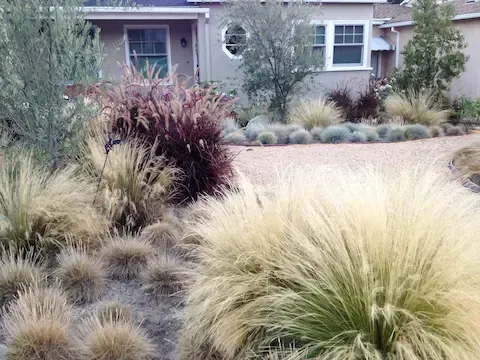
Native bunch grasses serve as excellent erosion control on moderate slopes. Species like big galleta grass and desert needlegrass develop extensive root systems that hold soil in place while requiring minimal water once established.
Drainage System Maintenance
Your property's drainage infrastructure needs thorough inspection and clearing before monsoon season begins. Blocked gutters, clogged drain inlets, and debris-filled channels can turn manageable runoff into destructive flooding.
Clean all gutters and downspouts, ensuring they direct water away from foundations and planted areas. Install splash blocks or extend downspouts to carry water at least six feet from structures. In Desert Landscaping applications, this water can be directed to planted areas that benefit from the additional moisture.
Check property drainage swales and channels for debris accumulation. Remove dead vegetation, rocks, and trash that could create dams during heavy flow. Grade channels to maintain smooth water movement toward street drains or natural drainage areas.
Consider installing French drains in areas where water consistently pools after storms. These subsurface drainage systems use perforated pipes surrounded by gravel to move water away from problem areas without creating surface channels that interrupt your landscape design.
Tree and Large Plant Preparation
Mature desert trees face specific monsoon risks that require targeted preparation. Palo verde, mesquite, and other established trees may have extensive canopies that catch wind and rain, creating stress on root systems that may be compromised by extended drought.
Prune dead and weak branches before storm season begins. Focus on removing crossing branches, dead wood, and growth that extends beyond the drip line. This reduces wind resistance and prevents branch failures that could damage property or injure people during storms.
Check tree stability by examining the base for signs of root exposure or trunk movement. Trees that rock when pushed may need additional support or professional evaluation. Young trees benefit from temporary staking systems that provide support without restricting natural movement.
Large cacti and succulents need protection from excess moisture around their base. Create slight mounds around barrel cacti and large agaves to encourage water runoff rather than pooling. Remove any accumulated organic debris that might retain moisture against plant stems.
Soil and Mulch Management
Desert soils in Sunrise Manor often develop a hardened surface crust during extended dry periods. This crust prevents water infiltration and increases runoff, making monsoon preparation essential for soil health.
Lightly cultivate soil around plantings to break up surface crusting without disturbing root systems. Work to a depth of two to three inches using a hand cultivator or small rake. This simple preparation dramatically improves water infiltration during storm events.
Apply organic mulch sparingly around desert plants. Unlike traditional landscapes, desert plantings benefit from thin mulch layers that conserve moisture without creating fungal problems. Use materials like shredded bark or wood chips in two-inch layers, keeping mulch several inches away from plant stems.
Refresh gravel and rock mulches that may have shifted during wind storms. Maintain consistent coverage to prevent soil exposure and weed emergence that often follows monsoon moisture.
Irrigation System Adjustments
Your landscape irrigation needs significant adjustment before and during monsoon season. Continuing regular watering schedules when natural rainfall provides adequate moisture wastes water and can damage plants adapted to distinct wet and dry cycles.
Install rain sensors or smart controllers that automatically adjust irrigation based on recent precipitation. These devices prevent overwatering during active storm periods while ensuring plants receive needed moisture during dry spells within the monsoon season.
Check all irrigation lines and emitters for damage from settling soil or UV exposure. Replace cracked tubing and clean clogged drip emitters that could create uneven watering patterns. Flush systems thoroughly to remove accumulated sediment before the season begins.
Consider temporary irrigation shutdown for established desert plants during peak monsoon activity. Most mature desert species can handle several weeks without supplemental irrigation when receiving natural rainfall.
Post-Storm Recovery Planning
Planning your post-storm response as part of monsoon preparation ensures quick recovery from any damage that occurs. Keep basic repair materials on hand and know which problems require immediate attention versus those that can wait for professional help.
Stock supplies like extra mulch, small rocks for channel repair, and basic tools for clearing debris. Having these materials ready means you can address minor erosion or plant exposure immediately after storms pass.
Identify priority areas that need first attention after major storms. Typically, these include drainage channels, areas around structures, and locations with newly planted or valuable specimens. Create a simple checklist to ensure systematic property inspection after significant weather events.
Establish relationships with local contractors and the desert landscaping overview professionals before you need emergency services. Monsoon damage often overwhelms local service providers, making advance planning essential for timely repairs.
Document your landscape condition with photos before monsoon season begins. This documentation helps with insurance claims if significant damage occurs and provides a baseline for comparing post-storm conditions.
