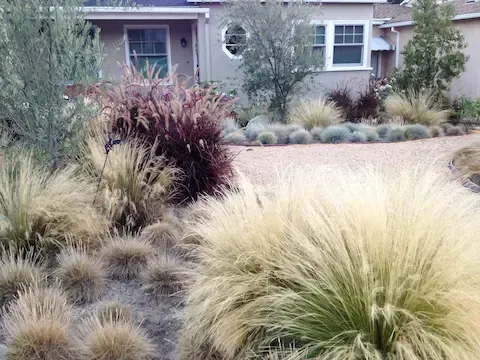
Desert Landscaping for Sunrise Manor NV Homeowners
Desert landscaping transforms Sunrise Manor properties into water-efficient outdoor spaces that thrive in Nevada's arid climate. Your yard can showcase the natural beauty of the Mojave Desert while reducing water consumption and maintenance requirements. Understanding local soil conditions, plant selections, and design principles helps create sustainable landscapes that complement the surrounding desert environment.
Understanding Sunrise Manor's Desert Environment
Sunrise Manor sits within the Mojave Desert ecosystem, where annual rainfall averages less than 5 inches and summer temperatures regularly exceed 100 degrees Fahrenheit. Your landscape must work with these conditions rather than against them. The area's elevation of approximately 2,000 feet creates temperature variations that affect plant selection and placement throughout your property.
Native vegetation in the region includes creosote bush, Joshua trees, and various cacti species that have adapted to extreme heat and minimal water availability. These plants provide inspiration for residential landscaping that maintains ecological balance while creating attractive outdoor spaces. Wind patterns from the northwest can affect plant placement and irrigation efficiency, particularly during spring months when gusts exceed 30 mph.
Soil composition varies throughout Sunrise Manor, with many areas featuring caliche hardpan layers that restrict water penetration and root development. This naturally occurring cement-like layer requires specific preparation techniques to ensure proper drainage and plant establishment. Understanding your specific soil conditions determines the success of your desert landscaping project.
Soil Preparation and Drainage Solutions
Proper soil preparation forms the foundation of successful desert landscaping in Sunrise Manor. Caliche layers often occur between 6 and 18 inches below the surface, creating impermeable barriers that trap water and prevent root penetration. Breaking through this layer requires mechanical excavation or specialized equipment to create drainage channels.
Native desert soils typically drain quickly, but caliche disrupts this natural process. Creating drainage solutions involves removing or breaking up hardpan layers and amending soil with coarse materials like decomposed granite or gravel. This process ensures water moves through the root zone without creating waterlogged conditions that damage desert plants.
Soil amendments should focus on improving drainage rather than adding organic matter, which can retain too much moisture in desert environments. Sand, perlite, and pumice create appropriate growing conditions for desert plants while maintaining the well-draining characteristics these species require. Testing your soil's pH levels helps determine if additional amendments are necessary for optimal plant health.
Grading your landscape with gentle slopes directs water flow away from structures while allowing plants to benefit from natural rainfall and irrigation. Creating microclimates through strategic grading provides different moisture zones throughout your property, accommodating plants with varying water requirements.
Plant Selection for Mojave Desert Conditions
Choosing appropriate plants for your Sunrise Manor landscape requires understanding which species thrive in extreme heat with minimal water. Native and adapted plants offer the best combination of beauty, durability, and water efficiency. These selections have evolved to handle temperature fluctuations, intense sun exposure, and limited moisture availability.
Cacti and succulents provide structural interest and require virtually no supplemental irrigation once established. Barrel cacti, prickly pear, and agave species offer diverse forms and seasonal interest through flowering cycles. These plants store water in their tissues, making them ideal for xeriscaping applications where water conservation is prioritized.
Desert trees like palo verde, mesquite, and desert willow create shade and vertical interest while maintaining low water requirements. These species develop extensive root systems that tap into deeper moisture sources, reducing dependence on irrigation systems. Their natural growth patterns complement desert aesthetics while providing practical benefits like cooling and privacy screening.
Ornamental grasses adapted to arid conditions add movement and texture to desert landscapes. Deer grass, desert spoon, and various bunchgrasses create naturalistic plantings that require minimal maintenance once established. These plants often provide habitat for local wildlife while contributing to the ecological value of your landscape.
Desert Landscaping professionals can help identify specific plant varieties that perform well in your microclimate and soil conditions.
Water-Efficient Irrigation Design
Efficient irrigation systems maximize plant health while minimizing water consumption in desert landscapes. Drip irrigation delivers water directly to plant root zones, reducing evaporation and ensuring precise water application. This method works particularly well with desert plants that prefer infrequent, deep watering rather than frequent shallow irrigation.
Zoning your irrigation system allows different plant types to receive appropriate water amounts. Cacti and succulents require minimal irrigation, while some adapted trees and shrubs need more frequent watering during establishment periods. Smart controllers can adjust watering schedules based on weather conditions and seasonal requirements.
Mulching around plants helps retain soil moisture and reduce evaporation rates. Inorganic mulches like gravel, decomposed granite, or crushed rock work better in desert environments than organic materials, which can retain too much moisture and create fungal problems. These materials also provide visual continuity with the natural desert landscape.
Rainwater harvesting systems can supplement irrigation while reducing reliance on municipal water supplies. Simple collection methods direct roof runoff to planted areas, while more complex systems store water for use during dry periods. These systems align with sustainable landscaping principles while reducing water costs.
SNWA Rebate Program Considerations
The Southern Nevada Water Authority offers rebates for converting grass areas to water-efficient landscapes, making desert landscaping more affordable for Sunrise Manor homeowners. Understanding program requirements helps maximize available incentives while creating compliant landscape designs that qualify for rebate payments.
Eligible projects must replace existing turf with approved plant materials and mulch coverings. The program specifies minimum coverage requirements for plants and mulch while restricting the use of high-water plants in rebate areas. Design plans must demonstrate water savings compared to previous grass irrigation requirements.
Pre-approval processes require submitting landscape plans that show plant placement, irrigation design, and mulch coverage. Working with approved contractors familiar with SNWA requirements streamlines the rebate application process and ensures compliance with program standards. Documentation requirements include before and after photos plus irrigation system specifications.
Rebate amounts vary based on the square footage of converted area and specific improvements included in your project. Maximum rebate limits apply to individual properties, but the savings can significantly offset project costs when combined with long-term water bill reductions from efficient landscaping.
Hardscape Integration and Design Elements
Hardscape features complement desert plantings while creating functional outdoor spaces that require no irrigation or ongoing maintenance. Natural stone, concrete pavers, and decomposed granite pathways provide structure and accessibility throughout your landscape. These materials withstand extreme temperature fluctuations while maintaining visual appeal.
Rock gardens and boulder placement create focal points that echo the natural desert environment. Using locally sourced materials maintains visual continuity with surrounding landscapes while reducing transportation costs and environmental impact. Strategic placement of larger rocks provides thermal mass that moderates temperature extremes around nearby plants.
Fire-resistant materials gain importance in desert landscapes where wildfire risk remains elevated during dry periods. Stone, gravel, and metal features create defensible space around structures while contributing to overall landscape design. These elements require minimal maintenance while providing long-term value and functionality.
Outdoor living spaces integrate naturally with desert landscaping through materials and design approaches that complement the arid environment. Shade structures, seating areas, and cooking spaces extend home functionality into the landscape while working with rather than against natural conditions.
Maintenance Requirements and Seasonal Care
Desert landscapes require different maintenance approaches compared to traditional turf and ornamental plantings. Understanding seasonal care requirements helps maintain plant health while keeping maintenance costs and time investments manageable. Most desert plants need minimal intervention once established, but specific timing and techniques ensure optimal performance.
Spring maintenance focuses on pruning dead wood, removing invasive weeds before they establish, and adjusting irrigation systems for increased growing season demands. Many desert plants benefit from light fertilization during this period, though nutrient requirements remain minimal compared to water-intensive landscapes.
Summer care emphasizes protecting newly planted specimens from extreme heat while monitoring irrigation system performance during peak demand periods. Established plants typically require no additional care during summer months, making desert landscaping ideal for busy homeowners or vacation properties.
Fall preparation includes collecting seeds from ornamental grasses, conducting major pruning tasks, and preparing irrigation systems for winter shutdown. Many desert plants enter dormancy periods that require reduced watering frequencies. This seasonal reduction in care requirements provides cost savings and environmental benefits.
Winter protection may be necessary for some adapted species during occasional frost events in Sunrise Manor. Covering sensitive plants or providing windbreak protection helps maintain landscape investments during extreme weather periods that occur infrequently in the desert environment.
Common Design Mistakes and Solutions
Overwatering represents the most common mistake in desert landscaping, leading to root rot, fungal problems, and plant mortality. Desert plants have evolved to thrive with minimal water, and excessive irrigation creates conditions that favor disease development. Understanding each plant's specific water requirements prevents this costly error.
Placing high-water plants in desert landscapes creates maintenance problems and increases water consumption beyond sustainable levels. Mixing plant types with drastically different water requirements complicates irrigation scheduling and often results in some plants receiving inappropriate water amounts. Grouping plants with similar requirements simplifies care while improving success rates.
Inadequate soil preparation causes long-term establishment problems that become expensive to correct after planting. Failing to address caliche layers or drainage issues results in stunted growth, plant mortality, and the need for costly replanting projects. Investing in proper soil preparation prevents these problems while ensuring project success.
Ignoring mature plant sizes leads to overcrowding problems that require expensive removal or relocation projects. Desert plants often grow larger than expected, and proper spacing prevents competition while allowing each specimen to develop its natural form. Planning for mature sizes creates better long-term landscape composition.
Poor mulch selection can create moisture retention problems or fail to provide adequate weed suppression. Organic mulches like wood chips retain too much moisture in desert environments, while inadequate mulch coverage allows weeds to establish and compete with desired plants.
Local Climate Adaptations
Sunrise Manor's specific microclimate conditions require adaptations beyond general Mojave Desert landscaping principles. The area's proximity to Las Vegas creates urban heat island effects that raise nighttime temperatures and extend growing seasons for some plant species. Understanding these local variations helps optimize plant selection and placement decisions.
Wind patterns unique to the Sunrise Manor area affect irrigation efficiency and plant establishment success. Prevailing northwest winds during spring months can dry out newly planted specimens and reduce irrigation effectiveness. Positioning plants to take advantage of natural wind protection or creating windbreaks improves establishment rates.
Elevation differences within Sunrise Manor create temperature variations that affect frost dates and plant hardiness requirements. Properties at higher elevations may experience occasional frost events that damage some desert plants, while lower areas remain frost-free throughout winter months. Site-specific planning addresses these elevation-related considerations.
For more specific guidance on removing existing lawns before installing desert landscaping, homeowners can reference the lawn removal walkthrough for detailed preparation steps.
Professional Installation Considerations
Working with experienced desert landscaping professionals ensures proper plant selection, soil preparation, and irrigation design for Sunrise Manor conditions. Local contractors understand specific challenges like caliche removal, SNWA rebate requirements, and plant availability from regional suppliers. Their expertise prevents costly mistakes while ensuring project success.
Timing installation projects appropriately maximizes plant establishment success while minimizing stress on new plantings. Fall and early spring provide optimal planting windows in the Mojave Desert, avoiding extreme summer heat while allowing root development before temperature extremes. Professional contractors schedule projects to take advantage of favorable weather conditions.
Permit requirements for landscape projects vary based on scope and location within Sunrise Manor. Understanding local regulations prevents delays and ensures compliance with community standards. Professional contractors handle permit applications and coordinate inspections when required for major landscape installations.
Long-term maintenance support from installation contractors provides ongoing plant care guidance and troubleshooting assistance. Establishing relationships with knowledgeable professionals ensures access to expertise when questions arise about plant care, irrigation adjustments, or landscape modifications. This support proves valuable for maintaining landscape investments over time.
