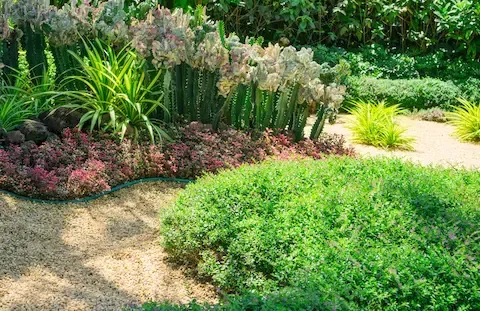
Landscape Design for Sunrise Manor NV Desert Homes
Understanding Sunrise Manor's Unique Desert Environment
Sunrise Manor's desert landscape presents both opportunities and challenges for homeowners looking to create beautiful outdoor spaces. The area's caliche soil, intense summer heat, and water restrictions require a thoughtful approach that works with nature rather than against it. Successful landscape design in this region starts with understanding that traditional grass lawns and water-hungry plants simply don't belong in the Mojave Desert ecosystem.
The hardpan caliche layer beneath Sunrise Manor sits just 12 to 18 inches below the surface in most areas, creating drainage issues that can kill non-native plants. This compressed soil layer formed over thousands of years and requires specific techniques to work around. Smart designers use this challenge as an opportunity to create raised planting areas and incorporate the natural slope of the land into their drainage solutions.
Summer temperatures regularly exceed 115°F, with surface temperatures on hardscape reaching 140°F or higher. Plants that thrive here have evolved specific adaptations like waxy leaves, deep root systems, and heat-reflecting surfaces. Your landscape design must account for these extreme conditions by selecting appropriate plant materials and providing adequate shade structures where needed.
Native Plant Selection for Long-Term Success
The foundation of any successful Sunrise Manor landscape design lies in choosing plants that naturally thrive in this desert environment. Palo verde trees provide excellent shade while requiring minimal water once established. Their green bark continues photosynthesis even when leaves drop during drought periods, making them perfectly adapted to local conditions.
Desert marigold offers year-round color with bright yellow blooms that attract beneficial pollinators. These hardy perennials require virtually no supplemental watering after the first season and create natural groundcover that suppresses weeds. Pairing them with purple-flowering desert lupine creates striking color combinations that change with the seasons.
For structural elements, consider ocotillo as living sculpture. These dramatic plants can reach 20 feet in height and produce brilliant red flowers that hummingbirds love. Ghost plant agave provides architectural interest with its pale blue-gray rosettes, while staying compact enough for smaller yards. Both species store water in their tissues, eliminating the need for frequent irrigation.
Brittlebush rounds out the plant palette with silvery foliage and bright yellow daisy-like flowers. This native shrub naturally forms neat mounds and requires pruning only once per year. When grouped in masses, brittlebush creates effective visual transitions between hardscape elements and taller plantings.
Hardscape Integration and Functionality
Hardscape elements in Sunrise Manor serve multiple purposes beyond aesthetics. Decomposed granite pathways provide stable walking surfaces that drain quickly after rare rainfall events. The material's natural color variations complement desert plantings while staying cooler underfoot than concrete or asphalt alternatives.
Boulder placement requires understanding of both visual composition and practical function. Large sandstone boulders create windbreaks that protect tender plants while serving as thermal mass that moderates temperature swings. Grouping boulders in odd numbers following natural outcropping patterns creates the most authentic appearance.
Shade structures become essential elements rather than optional features. Pergolas oriented to block afternoon sun can make outdoor spaces usable even during summer months. Landscape Design professionals often incorporate these structures as plant supports, training desert willow or other climbing natives to provide living shade that increases over time.
Retaining walls address both the caliche soil challenges and create opportunities for layered plantings. Natural stone walls allow for proper drainage while creating microclimates that support a wider variety of plants. The thermal mass of stone walls moderates soil temperatures and provides habitat for beneficial desert wildlife.
Water Management and SNWA Rebate Optimization
The Southern Nevada Water Authority offers substantial rebates for converting traditional landscapes to desert-adapted designs. Current rebate rates reach $7 per square foot for qualifying projects once the SNWA payment and the LVVWD supplement are combined, which makes professional landscape conversion financially attractive for most homeowners. Understanding rebate requirements ensures your design investment pays dividends both environmentally and economically.
Drip irrigation systems maximize water efficiency while meeting SNWA guidelines for rebate eligibility. These systems deliver water directly to plant root zones, reducing evaporation losses by up to 40% compared to spray irrigation. Smart controllers with weather sensors prevent overwatering during cooler periods and adjust schedules based on seasonal plant needs.
Rainwater harvesting becomes increasingly important as water costs continue rising. Simple techniques like directing roof runoff to planted areas can provide significant supplemental irrigation during Sunrise Manor's brief rainy seasons. Properly designed swales and basins capture and infiltrate precipitation while preventing erosion on sloped lots.
Mulching strategies in desert climates differ from traditional approaches. Inorganic mulches like decomposed granite or small river rock work better than wood chips, which can harbor pests and create fire hazards. These materials reflect heat, suppress weeds, and don't require replacement as they decompose.
Dealing with Caliche Soil Challenges
Caliche soil presents the single biggest challenge for landscape installation in Sunrise Manor. This cement-hard layer prevents proper drainage and root penetration, causing even drought-tolerant plants to fail if not properly addressed. Professional installation typically requires specialized equipment to break through or work around this barrier.
Raised planting beds offer the most reliable solution for establishing healthy plant growth. Building soil up 18 to 24 inches above the caliche layer allows for proper root development and drainage. These raised areas can be contained with decorative stone walls or allowed to slope naturally into surrounding hardscape.
Soil amendment becomes critical above the caliche layer. Adding coarse sand and decomposed granite improves drainage while providing the fast-draining conditions that desert plants prefer. Avoid adding organic matter like compost, which retains too much moisture for most native species and can lead to root rot.
Strategic plant placement takes advantage of natural breaks in the caliche layer. Areas where the hardpan is naturally thinner or broken can support larger plants with deeper root systems. Site analysis during the design phase identifies these opportunities and influences the overall layout of planted areas.
Creating Microclimates for Plant Diversity
Even within Sunrise Manor's harsh desert environment, subtle variations in conditions allow for greater plant diversity. North-facing slopes and areas shaded by existing structures create cooler microclimates that can support a wider range of species. These areas might accommodate plants that require slightly more water or protection from intense afternoon sun.
Rock gardens and boulder groupings create their own weather patterns. The thermal mass of large stones moderates temperature swings, while their shadows provide refugia for smaller plants. Morning sun exposure combined with afternoon shade creates ideal conditions for many flowering desert species that struggle in full sun locations.
Elevation changes within the landscape create drainage variations that influence plant selection. Higher areas drain quickly and suit the most drought-tolerant species, while lower areas might retain slightly more moisture and support plants with moderate water needs. For additional insights on incorporating rock elements effectively, check out our rock landscaping rundown for detailed guidance on placement and selection.
Building walls and existing structures create wind shadows that affect plant choices. Areas protected from prevailing winds can support plants with more delicate foliage, while exposed locations require the most wind-resistant species. Understanding these patterns during the design phase prevents costly plant failures later.
Seasonal Interest and Color Planning
Desert landscapes offer more seasonal variation than many people realize. Spring brings spectacular wildflower displays when winter rains have been adequate. Desert lupine, globe mallow, and fairy duster provide purple, orange, and red blooms respectively during March and April peak flowering periods.
Summer color comes from heat-loving species that thrive when other plants struggle. Red yucca produces tall spikes of coral-colored flowers throughout the hottest months, while desert marigold continues blooming regardless of temperature extremes. These reliable performers ensure continuous color even during the most challenging season.
Fall and winter interest relies more on foliage color, bark texture, and plant form than flowers. The silvery leaves of brittlebush become more prominent as temperatures cool, while the architectural forms of agaves and cacti provide strong winter structure. Palo verde trees' green bark provides subtle color interest even when leafless.
Incorporating plants with different bloom times creates a succession of color throughout the growing season. Early bloomers like chuparosa overlap with mid-season species like desert willow, followed by late-season performers such as autumn sage. This planning approach ensures something interesting happens in the landscape during every season.
Professional Installation Considerations
Professional landscape installation in Sunrise Manor requires specialized knowledge of local conditions and regulations. Contractors familiar with caliche soil know which equipment and techniques work best for different soil conditions. They also understand SNWA rebate requirements and can ensure your project qualifies for maximum financial incentives.
Timing of installation significantly affects plant establishment success. Fall planting allows root development during cooler months before plants face their first summer stress. Spring installation works for some species but requires more intensive watering during the establishment period. Professional installers understand these timing considerations for different plant types.
Proper plant spacing accounts for mature size and water needs. Overcrowding leads to competition and plant stress, while spacing too widely creates maintenance challenges and poor visual impact. Experienced designers understand growth rates of native species and plan accordingly for long-term landscape performance.
Quality control during installation prevents future problems. Proper planting depth, soil preparation, and initial watering establish the foundation for plant success. Professional installation includes follow-up care instructions and often provides establishment period maintenance to ensure plant survival through the critical first season.
