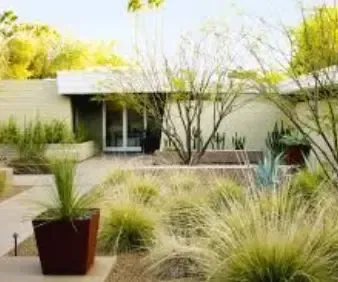
Hot Weather Hardscaping Care in Sunrise Manor NV Yards
Summer in Sunrise Manor hits hard. Temperatures regularly climb past 110°F in the Las Vegas Valley, and the Mojave sun does real damage to hardscaping materials that weren't designed for that kind of sustained punishment. Pavers crack, grout lines erode, decomposed granite shifts, and polymeric sand loses its binding capacity when UV exposure and heat cycles work on them month after month. If you've invested in a patio, walkway, or driveway, knowing how to protect it before and during peak season is the difference between a surface that lasts decades and one that needs replacement every few years.
Why Sunrise Manor Summers Are Especially Hard on Hardscaping
The Clark County desert environment creates a specific set of conditions that most paver manufacturers and hardscape contractors in cooler climates never account for. In Sunrise Manor, you're dealing with extreme heat during the day followed by significant overnight temperature drops. This thermal cycling — surfaces expanding and contracting daily — stresses joints, grout lines, and the substrate beneath your pavers over time.
UV radiation at this elevation and latitude also degrades sealers faster than manufacturers typically project. A sealer rated for three to five years under normal conditions may need reapplication every two years in the Mojave. Beyond the sun itself, the monsoon season that arrives in July and August dumps sudden, heavy rain onto ground that's bone dry and compacted. That runoff carries sand and grit that can abrade paver surfaces and settle into joints, shifting material out of place.
Sealing Pavers Before Peak UV Hits
The single most important step you can take is sealing your pavers before summer fully arrives — ideally in late March or April, before the worst heat sets in. Applying sealer when surface temperatures are already extreme creates adhesion problems. The product cures unevenly, bubbles, or flakes within months. Timing the application during a mild morning in spring, when ground temperatures sit between 50°F and 85°F, gives the sealer the best chance to penetrate and cure properly.
For Hardscaping in the Sunrise Manor climate, a penetrating silane-siloxane sealer works better than a surface-coat acrylic for most concrete and natural stone applications. It doesn't trap moisture beneath the surface during monsoon events, and it doesn't create the slippery sheen that film-forming sealers develop in the heat. For travertine or tumbled pavers, a breathable penetrating sealer is almost always the right call. For darker concrete pavers where color enhancement matters, a solvent-based acrylic applied in cooler conditions can hold up well if reapplied on schedule.
Refreshing Decomposed Granite Annually
Decomposed granite is one of the most practical materials for desert yards in Sunrise Manor. It drains well, stays relatively cool underfoot compared to concrete, and fits the visual character of the neighborhood. But it does require annual attention, particularly after monsoon season when runoff redistributes it and monsoon winds carry fine particles away from paths and planting beds.
Inspect your DG areas in early spring and again in October after monsoon season wraps up. Look for low spots that have developed, areas where the material has thinned to less than two inches, and places where it's migrated into lawn or planting zones. Replenishing to a consistent three-inch depth, raking it level, and tamping it lightly restores both the function and appearance. If you used stabilized DG — the type mixed with a binding agent — check for cracking or lifting that can occur after summer heat cycles. Those areas may need spot replacement rather than a simple top-dressing.
Checking and Refreshing Grout Lines and Joint Sand
Grout lines and joint sand are the structural glue of any paved surface. When they erode or wash out, individual pavers shift, rock underfoot, and become tripping hazards. In Sunrise Manor, joint sand can dry out so thoroughly during summer that it essentially pulverizes and blows away. Polymeric sand, which is designed to harden and resist erosion, holds up better than standard kiln-dried sand, but it still needs inspection each season.
After a monsoon event or a significant windstorm, walk your hardscaped surfaces and look for gaps in the joints. Any joint where you can see more than a quarter inch of depth below the paver surface needs refilling. Brush new polymeric sand into the gaps, compact lightly with a plate compactor or a rubber mallet and board, and activate the sand with a gentle water mist. Avoid saturating it during application — excess water during the curing phase weakens the bond. For read more on hardscape layouts and how material choices affect long-term joint stability in desert conditions.
Managing Surface Heat and Color Fading
One reality of Mojave hardscaping that homeowners in Sunrise Manor deal with is surface heat. Dark concrete pavers in full sun can reach temperatures that make them uncomfortable to walk on barefoot and that accelerate sealer breakdown. Choosing lighter-toned pavers, or mixing lighter and darker tones in a pattern, reduces peak surface temperature meaningfully. Reflective aggregate finishes in concrete also scatter UV energy rather than absorbing it.
Color fading is inevitable in this climate, but the rate varies by material and sealer type. UV-inhibiting sealers slow fading in colored concrete pavers. Natural stone, particularly travertine and limestone common in the Sunrise Manor area, fades slowly and often develops an attractive patina rather than an uneven bleached look. If color integrity matters to you, plan to reseal every two years and evaluate the paver manufacturer's UV rating before purchase.
Practical Maintenance Habits Through Summer
A few straightforward habits protect your investment through the hottest months. Rinse paved surfaces with a garden hose early in the morning once a week during summer. This removes accumulated dust and grit before it gets ground into the surface by foot traffic. Avoid pressure washing during peak heat — rapid temperature changes from cold water on a superheated surface can stress certain materials, particularly natural stone.
Keep irrigation heads adjusted so spray doesn't regularly hit your hardscaped areas. Constant wet-dry cycling from irrigation overspray accelerates efflorescence — the white mineral deposits that appear on pavers — and softens polymeric sand. Trim any plants near paved edges so roots don't work under the border restraints and shift pavers out of alignment over time.
When to Call a Professional in Sunrise Manor
Some conditions go beyond seasonal maintenance. If you notice multiple pavers rocking or sinking in a section, the base material may have failed — a common issue in areas of Sunrise Manor that were graded quickly during rapid development and didn't receive adequate compaction under the hardscape. Resetting surface pavers without addressing the base just delays the same problem. A professional can assess whether the base needs to be rebuilt or whether spot repairs are sufficient.
Similarly, widespread efflorescence that returns quickly after cleaning usually indicates a drainage or moisture problem beneath the surface rather than a surface issue. Addressing the underlying cause before resealing protects your investment and avoids repeating the same repair cycle every year.
