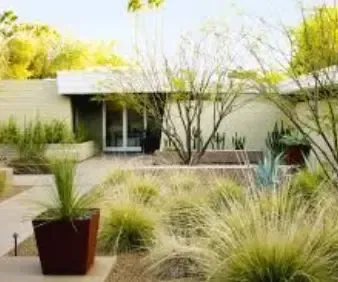
Heat Retention of Hardscaping Materials in Sunrise Manor
Understanding Material Heat Absorption in Desert Climates
The intense Mojave Desert sun in Sunrise Manor creates unique challenges for hardscaping material selection. Different materials absorb and retain heat at dramatically different rates, affecting both comfort and long-term durability. Understanding these thermal properties helps homeowners make informed decisions about their outdoor spaces.
Concrete pavers, while popular for their uniform appearance, can reach surface temperatures exceeding 150°F during peak summer hours. This extreme heat retention makes them uncomfortable for barefoot traffic and contributes to the urban heat island effect. The dense composition of concrete allows it to store significant thermal energy throughout the day.
Natural stone options like flagstone demonstrate superior thermal performance in desert environments. Flagstone typically maintains surface temperatures 15-20 degrees cooler than concrete alternatives due to its natural composition and lighter color variations. The irregular surface texture also promotes better air circulation, helping dissipate heat more effectively.
Comparative Temperature Performance of Common Materials
Field measurements in Sunrise Manor reveal significant temperature variations between hardscaping materials. Decomposed granite pathways consistently record the lowest surface temperatures, often remaining 25-30 degrees cooler than concrete pavers during afternoon peak hours. This natural material's loose structure allows for excellent drainage and heat dissipation.
Brick pavers fall between concrete and natural stone in thermal performance. Their clay composition and smaller individual units create more joint space for air circulation. However, darker brick colors can still reach uncomfortable temperatures, making color selection crucial for desert applications.
Exposed aggregate concrete offers a middle-ground solution, with textured surfaces that reflect more heat than smooth concrete while maintaining durability. The aggregate stones embedded in the surface create micro-shadows that reduce overall heat absorption compared to standard concrete finishes.
Climate-Specific Installation Considerations
Sunrise Manor's elevation of approximately 2,000 feet provides some temperature moderation compared to lower desert areas, but summer highs still regularly exceed 105°F. Morning installation work becomes essential during peak season, as material handling becomes dangerous when surface temperatures climb above 130°F.
Proper base preparation significantly impacts thermal performance. A well-compacted base with adequate drainage prevents heat buildup in subsurface materials. Installing Hardscaping with appropriate joint spacing allows for thermal expansion and contraction, preventing cracking and structural failure.
Shade structures and strategic landscaping can reduce direct sun exposure on hardscaped areas. Desert-adapted plants positioned to provide afternoon shade help moderate surface temperatures while requiring minimal water resources.
Common Material Selection Mistakes
Many homeowners focus solely on initial cost without considering long-term thermal performance. Dark-colored materials may appear attractive in showrooms but become unbearably hot in desert conditions. The penny-wise approach often leads to uncomfortable outdoor spaces and potential safety hazards.
Oversized paver installations without adequate expansion joints frequently fail in extreme temperature swings. The thermal stress from daily heating and cooling cycles can crack even high-quality materials when proper installation techniques are ignored.
Neglecting reflectivity ratings represents another common oversight. Materials with high solar reflectance indices stay significantly cooler and reduce cooling costs for adjacent buildings. Light-colored flagstone and specialized cool pavers offer improved comfort and energy efficiency.
Local Microclimate Factors
Sunrise Manor's position in the Las Vegas Valley creates specific microclimate conditions affecting material performance. The surrounding mountains can trap heat during summer months, extending the daily heat exposure period for hardscaping materials.
Prevailing wind patterns from the southwest help dissipate heat from properly oriented installations. Positioning hardscaped areas to take advantage of natural airflow can reduce surface temperatures by 5-10 degrees during peak periods.
Monsoon season moisture can temporarily moderate surface temperatures but also introduces thermal shock risks. Materials that handle rapid temperature changes perform better during these transitional weather periods. Understanding how the paver and flagstone piece responds to moisture helps predict long-term durability.
Professional Assessment Benefits
Experienced contractors understand the specific thermal challenges in Clark County's desert environment. They can recommend material combinations that balance aesthetics, durability, and thermal comfort based on site-specific conditions.
Professional installation ensures proper drainage, expansion joint placement, and base preparation that directly impact thermal performance. These technical details significantly influence how materials respond to Sunrise Manor's extreme temperature swings.
Quality contractors also provide maintenance guidance specific to desert conditions. Regular sealing, joint sand replacement, and damage inspection help maintain optimal thermal performance throughout the material's lifespan.
Long-term Performance in Desert Conditions
The relentless UV exposure in Sunrise Manor accelerates material degradation compared to more temperate climates. Natural stone materials generally maintain their thermal properties longer than manufactured alternatives, though proper sealing extends the life of all materials.
Thermal cycling stress from daily temperature swings of 40-50 degrees tests material integrity continuously. Materials that handle this stress well include natural flagstone, high-quality concrete pavers, and decomposed granite installations with proper edge restraints.
Investment in materials with proven desert performance pays dividends in reduced replacement costs and maintained comfort levels. The initial premium for superior thermal properties typically recovers through extended lifespan and reduced maintenance requirements.
