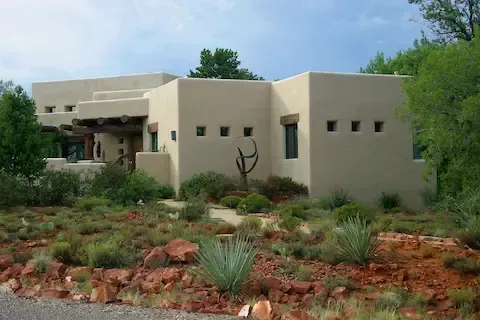
Xeriscaping Your Sunrise Manor NV Yard for AB356 Rules
Converting your Sunrise Manor yard to xeriscape design has become increasingly popular as Nevada homeowners seek water-efficient landscaping solutions that comply with AB356 regulations. This comprehensive approach to desert landscaping not only reduces water consumption by up to 60% but also creates stunning outdoor spaces perfectly suited to our arid climate. With proper planning and implementation, xeriscaping transforms traditional grass lawns into vibrant, low-maintenance landscapes that thrive in Sunrise Manor's unique environmental conditions.
Understanding AB356 Xeriscape Requirements
Assembly Bill 356 established specific guidelines for water-efficient landscaping in Nevada, directly impacting how Sunrise Manor homeowners approach yard design. The legislation requires new residential developments to limit turf grass to functional areas only, promoting drought-tolerant alternatives that reduce overall water demand. Existing properties benefit from following these same principles, as compliance often qualifies homeowners for substantial rebates through the Southern Nevada Water Authority.
The bill specifically defines functional turf as grass areas used for recreational activities, children's play spaces, or areas where people gather regularly. Decorative grass lawns no longer meet efficiency standards, encouraging property owners to explore Xeriscaping as a practical alternative. Understanding these requirements helps homeowners make informed decisions about landscape conversion while maximizing available incentives.
Professional landscape designers familiar with AB356 compliance can guide homeowners through the conversion process, ensuring all modifications meet current standards. This expertise proves invaluable when navigating permit requirements and accessing rebate programs that offset conversion costs.
SNWA Rebate Programs and Financial Incentives
The Southern Nevada Water Authority offers generous rebate programs for homeowners converting to water-efficient landscaping, making xeriscaping financially attractive for Sunrise Manor residents. Current rebate rates provide $5 per square foot for turf removal on the first 10,000 square feet, plus an additional $2 per square foot for LVVWD customers, for $7 per square foot combined. These programs can significantly offset the initial investment required for landscape conversion.
Qualifying for rebates requires following specific guidelines regarding plant selection, irrigation design, and installation methods. The SNWA maintains approved plant lists featuring species that thrive in Southern Nevada's climate while meeting water efficiency requirements. Professional contractors experienced with these programs can ensure compliance and maximize available rebates throughout the conversion process.
Documentation requirements include before and after photographs, irrigation system specifications, and plant installation records. Proper record-keeping ensures smooth rebate processing and helps homeowners track the long-term water savings achieved through their xeriscape conversion.
Native Plant Selection for Sunrise Manor Climate
Selecting appropriate plants forms the foundation of successful xeriscaping in Sunrise Manor, where summer temperatures regularly exceed 110 degrees and annual precipitation averages less than five inches. Native and adapted plant species offer the best combination of visual appeal, water efficiency, and long-term survival in these challenging conditions. Desert marigold, brittlebush, and desert lupine provide colorful blooms while requiring minimal supplemental watering once established.
Shrub selections include desert willow, fairy duster, and Texas sage, which create structure and seasonal interest while tolerating extreme heat and drought conditions. These species develop extensive root systems that access deep soil moisture, reducing dependence on irrigation systems. Tree options such as desert ironwood, palo verde, and mesquite provide essential shade while maintaining the authentic desert aesthetic that defines successful xeriscaping.
Proper plant spacing allows adequate air circulation and prevents competition for limited water resources. Grouping plants with similar water requirements creates efficient irrigation zones and simplifies maintenance schedules. Understanding mature plant sizes prevents overcrowding and ensures long-term landscape success.
Soil Preparation and Drainage Considerations
Sunrise Manor's caliche clay soil presents unique challenges for xeriscaping success, requiring specific preparation techniques to ensure proper drainage and root development. Native desert soils often contain hardpan layers that prevent water infiltration and root penetration, leading to plant stress and irrigation inefficiency. Professional soil amendment improves drainage while creating growing conditions that support drought-tolerant plant establishment.
Incorporating decomposed granite, coarse sand, and organic matter breaks up compacted soil and improves water movement through the root zone. Raised planting areas and berms create additional drainage while adding visual interest to flat yard spaces. Proper grading directs water flow away from structures while channeling rainfall toward planted areas where it can be naturally absorbed.
Soil testing reveals pH levels and nutrient content, allowing for targeted amendments that support specific plant requirements. Most desert-adapted plants prefer slightly alkaline conditions and low-fertility soils, making minimal amendments the preferred approach for sustainable xeriscaping.
Efficient Irrigation Design and Water Management
Modern xeriscaping relies on precision irrigation systems that deliver water directly to plant root zones while minimizing waste through evaporation and runoff. Drip irrigation and micro-spray systems provide controlled water application that matches plant requirements without overwatering. Smart controllers equipped with weather sensors automatically adjust watering schedules based on rainfall, temperature, and humidity conditions.
Zone-based irrigation design groups plants with similar water needs, allowing customized watering schedules that optimize efficiency. Established native plants often require watering only during extended dry periods, while newly installed specimens need regular irrigation during their first growing season. Proper system design accommodates these varying needs without wasting water on mature, drought-adapted vegetation.
Mulching around plants conserves soil moisture and reduces irrigation frequency while suppressing weed growth that competes for water resources. Inorganic mulches such as decomposed granite or decorative rock provide long-lasting coverage that complements desert landscaping aesthetics.
Hardscape Elements and Design Integration
Successful xeriscaping incorporates hardscape elements that reduce planted area while creating functional outdoor spaces for recreation and entertainment. Natural stone pathways, decorative rock gardens, and sculptural elements add visual interest while requiring zero water consumption. These features can comprise up to 40% of the landscape area while maintaining attractive curb appeal and property value.
Permeable paving materials allow rainwater infiltration while providing stable surfaces for patios, walkways, and gathering areas. Flagstone, decomposed granite, and permeable concrete pavers offer attractive alternatives to traditional hardscaping that contribute to overall water management goals. Strategic placement of these elements creates outdoor rooms that extend living space while reducing landscape maintenance requirements.
Retaining walls and terraced planting areas maximize usable space on sloped lots while preventing erosion during occasional heavy rainfall events. These structural elements can incorporate built-in seating and planters that showcase drought-tolerant specimens while creating intimate garden spaces.
Maintenance Requirements and Long-term Care
Properly designed and installed xeriscaping requires significantly less maintenance than traditional turf-based landscapes, though specific care practices ensure long-term success and plant health. Initial establishment periods require regular monitoring and occasional supplemental watering until root systems develop sufficient depth and spread. Most drought-tolerant plants reach full establishment within two to three growing seasons.
Pruning requirements vary by species, with many native plants needing only occasional removal of dead or damaged growth. Some flowering shrubs benefit from annual pruning to maintain shape and encourage bloom production. Understanding specific plant requirements prevents over-maintenance that can stress desert-adapted species accustomed to natural growing conditions.
Weed control becomes increasingly important in xeriscaping, as unwanted vegetation competes with desirable plants for limited water resources. Pre-emergent herbicides applied seasonally prevent annual weeds, while hand removal addresses perennial problems without damaging established plantings.
Professional Installation and Design Services
Working with experienced xeriscaping professionals ensures AB356 compliance while maximizing available rebates and achieving long-term landscape success. Licensed contractors understand local soil conditions, plant requirements, and irrigation design principles that create thriving desert landscapes. Professional installation typically includes warranties on plant materials and irrigation components, providing peace of mind for homeowners making significant landscape investments.
Design services help homeowners visualize completed projects while ensuring plant selections and placement create year-round visual interest. Computer-aided design tools allow exploration of different layouts and plant combinations before installation begins. Professional designers also coordinate rebate applications and permit requirements, streamlining the conversion process for busy homeowners.
Experienced contractors maintain relationships with wholesale nurseries and suppliers, often securing better pricing on plant materials and hardscape elements than retail customers can access independently. This cost advantage, combined with efficient installation practices, often makes professional installation competitive with do-it-yourself approaches while guaranteeing superior results.
