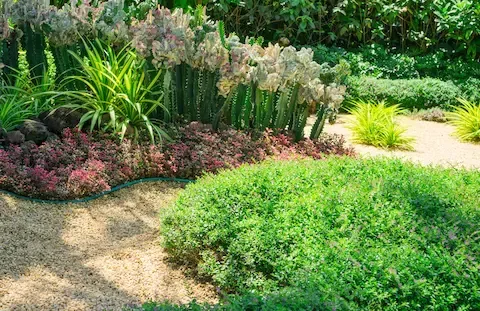
Landscape Design for Sunrise Manor NV Front Yards 2026
Planning your front yard landscape design in Sunrise Manor requires understanding the unique challenges of Nevada's desert climate, local HOA requirements, and water conservation mandates. The combination of extreme heat, limited rainfall, and strict water usage regulations makes traditional landscaping approaches impractical and potentially costly. Your design must balance curb appeal with sustainability while meeting both community standards and state regulations.
Understanding Sunrise Manor's Landscape Requirements
Sunrise Manor homeowners face specific regulatory requirements that directly impact front yard design choices. Assembly Bill 356, enacted in Nevada, restricts non-functional turf grass installation in new developments and significantly limits turf replacement in existing properties. This legislation affects approximately 40% of Sunrise Manor neighborhoods built after 2021, requiring alternative ground cover solutions for areas previously designated for traditional lawn installations.
Homeowners associations throughout Sunrise Manor typically maintain landscape standards that emphasize desert-appropriate plantings while preserving neighborhood aesthetics. Most HOAs require plant selections from approved lists featuring drought-tolerant species, with many specifically mandating native Nevada plants comprise at least 60% of front yard vegetation. These requirements align with SNWA rebate programs, creating opportunities for cost recovery during installation.
Water allocation limits in Clark County directly influence plant selection and irrigation system design. Properties in Sunrise Manor receive specific water budgets based on lot size and occupancy, with outdoor water usage comprising roughly 70% of total household consumption during peak summer months. Effective landscape design must work within these constraints while maintaining visual appeal throughout the year.
Climate-Appropriate Plant Selection Strategies
Desert landscaping success depends heavily on selecting plants that thrive in Sunrise Manor's unique microclimate. The area experiences extreme temperature variations, with summer highs exceeding 110°F and winter lows occasionally dropping below freezing. Annual rainfall averages less than 4 inches, making drought tolerance the primary consideration for any plant selection.
Native Nevada plants offer the highest success rates and lowest maintenance requirements. Desert marigold, brittlebush, and desert willow provide seasonal color while requiring minimal water once established. These species have adapted to local soil conditions and temperature extremes over thousands of years, making them naturally suited to Sunrise Manor's challenging environment.
Shrub selections should focus on architectural plants that provide structure throughout the year. Desert spoon, red yucca, and various agave species create dramatic focal points while requiring irrigation only during establishment periods. These plants develop extensive root systems that access deep soil moisture, reducing long-term water needs significantly.
Ground cover alternatives to traditional grass include decomposed granite, river rock mulches, and low-growing succulents like trailing lantana or desert verbena. These options provide visual interest while eliminating the water requirements and maintenance demands associated with turf grass installations.
Irrigation System Design and Water Management
Efficient irrigation design forms the foundation of sustainable front yard landscaping in Sunrise Manor. Drip irrigation systems deliver water directly to plant root zones, reducing evaporation losses by up to 90% compared to traditional sprinkler systems. These systems also prevent water waste on hardscaped areas and reduce weed growth in planted areas.
Zone-based irrigation allows different plant types to receive appropriate water quantities. Desert trees require deeper, less frequent watering than establishing shrubs, while established succulents may need irrigation only during extreme drought periods. Smart controllers with weather monitoring capabilities automatically adjust watering schedules based on temperature, humidity, and rainfall data.
Soil preparation significantly impacts irrigation efficiency and plant establishment success. Adding organic amendments to native caliche clay soil improves drainage and root penetration while reducing water runoff during irrigation cycles. Proper grading ensures water reaches planted areas rather than flowing toward streets or neighboring properties.
For comprehensive planning guidance, consult Landscape Design professionals familiar with local regulations and climate challenges. Professional designers understand which plant combinations thrive together and can create irrigation zones that maximize water efficiency while meeting aesthetic goals.
Hardscape Integration and Functional Design
Hardscaping elements provide structure and reduce overall water requirements while creating usable outdoor spaces. Pathways, retaining walls, and decorative rock features add visual interest without ongoing maintenance demands. Strategic placement of these elements can also provide shade for more delicate plants during extreme summer heat.
Material selection for hardscape elements must consider thermal properties and local availability. Light-colored stones and concrete surfaces reflect heat rather than absorbing it, creating more comfortable microclimates for both plants and people. Locally sourced materials often provide better color coordination with the natural desert environment while reducing project costs.
Drainage considerations become critical when integrating hardscape and planted areas. Sunrise Manor's intense but infrequent rainfall events can create significant runoff from impermeable surfaces. Proper grading and drainage channels direct this water toward planted areas, supplementing irrigation during establishment periods.
Understanding the relationship between hardscaping and plant placement helps create cohesive designs that function throughout the year. Reference the hardscaping overview for detailed information about material selection, installation techniques, and integration strategies specific to desert environments.
Seasonal Planning and Maintenance Considerations
Front yard landscape design must account for seasonal variations in plant appearance and maintenance requirements. Many desert plants exhibit dramatic seasonal changes, with some species remaining dormant during winter months while others provide peak color during cooler periods. Understanding these cycles helps create designs that maintain visual interest throughout the year.
Spring establishment periods offer optimal planting windows for most desert species. Cooler temperatures and occasional rainfall provide natural irrigation supplementation during critical root development phases. Plants established during spring months typically require less supplemental watering during their first summer compared to those planted during hotter periods.
Summer maintenance focuses primarily on irrigation monitoring and heat stress prevention. Even drought-tolerant plants may require additional water during extreme heat events, particularly during their first two growing seasons. Mulching around plant bases helps retain soil moisture while preventing weed competition.
Winter protection considerations vary depending on specific plant selections and microclimate factors. While most desert plants tolerate brief freezing periods, newly planted specimens may require temporary protection during severe cold snaps. Proper plant placement considers natural wind barriers and thermal mass effects from nearby structures.
HOA Compliance and Community Standards
Navigating HOA requirements requires understanding both written guidelines and community expectations. Most Sunrise Manor HOAs maintain detailed landscape standards covering plant types, maintenance requirements, and aesthetic guidelines. These standards often reflect water conservation goals while preserving property values and neighborhood character.
Submission processes for landscape modifications typically require detailed plans showing plant locations, irrigation layouts, and hardscape elements. Many HOAs mandate pre-approval for significant changes, including removal of existing vegetation or installation of new irrigation systems. Understanding these requirements prevents costly modifications or compliance issues after installation.
Approved plant lists vary between communities but generally emphasize native and adapted species. Some HOAs maintain prohibited species lists focusing on plants that become invasive, require excessive water, or create maintenance problems. Consulting these lists early in the design process prevents selection of inappropriate plants.
Maintenance standards often include specific requirements for pruning schedules, weed control, and irrigation system upkeep. Some communities require professional maintenance services for common area adjacency, while others allow homeowner maintenance with periodic compliance inspections.
Cost Management and Rebate Optimization
Landscape installation costs vary significantly based on plant selection, site preparation requirements, and irrigation complexity. Desert landscaping typically requires higher upfront investments for quality plants and irrigation systems but provides long-term savings through reduced water bills and maintenance requirements.
SNWA rebate programs offset significant portions of installation costs for qualifying projects. Current rebate structures provide up to $3.00 per square foot for turf replacement and additional incentives for efficient irrigation system installation. These programs require specific plant selections and installation standards but can reduce project costs by 30-50%.
Phased installation approaches help manage costs while achieving design goals over extended periods. Priority areas like street-facing slopes and entry points provide immediate curb appeal improvements while allowing future phases to address secondary areas as budgets permit.
Professional installation often provides better long-term value than DIY approaches due to warranty coverage, proper irrigation system design, and plant establishment expertise. Many contractors offer financing options that align with rebate payment schedules, reducing immediate out-of-pocket expenses.
Long-term Success and Adaptation Strategies
Successful front yard landscapes in Sunrise Manor adapt to changing conditions while maintaining their fundamental design integrity. Climate patterns continue evolving, with increasing summer temperatures and changing precipitation patterns affecting plant performance and water requirements.
Monitoring plant health and irrigation efficiency helps identify necessary adjustments before problems become expensive to correct. Regular system maintenance includes checking drip emitters, adjusting timer schedules, and replacing mulch materials as they decompose or disperse.
Future modification planning considers mature plant sizes and changing family needs. Desert plants often grow larger than expected, requiring periodic thinning or repositioning. Design flexibility allows for these natural changes while maintaining overall landscape function and appearance.
Community resources including Master Gardener programs and university extension services provide ongoing support for landscape management questions. These resources offer region-specific advice for pest management, plant selection, and water conservation techniques that apply specifically to Sunrise Manor conditions.
